
Here, water follows a vertical path, almost sacred in nature. It cascades from the peaks of Mount Kaikoma in the Japanese Southern Alps, seeping into the mineral-rich depths before resurfacing, crystal-clear, in the Ojiragawa Valley. In Hakushū, this element is not merely a backdrop; it is the metronome of a way of life that seems to have paused in its rush, just two hours from the electric hustle and bustle of Tokyo. In this landscape, where rice paddies follow the contours of meticulously tended vineyards, the soil and climate compose a rare symphony that attracts a new generation of city dwellers in search of meaning. What was once merely a stop along the Kōshū Kaidō —that historic road connecting merchants from Yamanashi Prefecture to old Edo—has become a destination in its own right, a place where people arrive intending to stay, and where they eventually forget to leave.
The New Life of the Japanese Alps
This paradigm shift is embodied by people like Ayako Ono and Dawid Nowosadzki. In 2023, the couple traded the hustle and bustle of London for the serenity of Hakushū, Ayako’s hometown. Upon her return, she found a region undergoing profound change. Second homes are springing up, purchased by Tokyoites fleeing urban density, while international residents are settling in for the long haul. Together, they founded Koma, a gourmet grocery store that celebrates the bounty of local agriculture. On their plates, the seasons unfold with vibrant colors: roasted broccoli with sesame seeds, crisp radishes drizzled with a creamy turmeric sauce, or generous pitas stuffed with red cabbage.
For Dawid, daily life has centered on the essentials: the pure mountain air, vegetables from the garden, and morning swims in the Ojiragawa River. This immersion in nature is not merely an aesthetic choice; it is an economic and social reality. In Hakushū, the local cuisine draws directly from its source. While the michi-no-eki—those quintessentially Japanese roadside rest stops—remain gathering spots for stocking up on fresh produce, the mountainsides are brimming with treasures: sweet tomatoes, crisp asparagus, and dense cabbages grow here with a vigor that only soil irrigated by water of such purity can provide.
Excellence Rooted in the Long Term
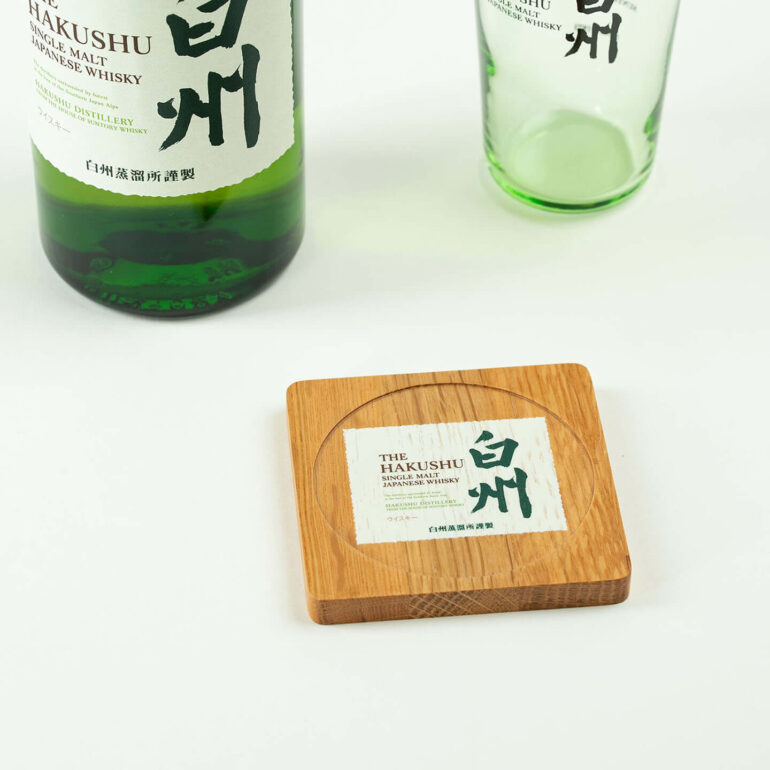
The region’s contemporary success is built on centuries-old foundations. The water that nourishes newcomers is the same water that has fueled the Shichiken sake brewery for nearly three centuries. Housed in a historic wooden mansion in the heart of the preserved Daigahara-juku district, this institution is now in its thirteenth generation of master brewers. Not far from there, modernity took over in 1973 with the establishment of a Suntory distillery, which has become famous for its single-malt whiskies—some of whose 25-year-old vintages move collectors worldwide to tears.
This culture of patience is also evident in the world of confectionery. At Kinseiken, a shop founded 124 years ago, visitors line up to taste shingen mochi, a rice delicacy glazed with molasses. But it is perhaps in the vineyards that the dialogue between France and Japan is most eloquent. Yamanashi Prefecture is home to the archipelago’s oldest wineries. At Château Charmant, whose history dates back to 1919, the native Koshu grape variety grows alongside European varieties. Yamamoto Masahiko, representing the third generation of winemakers, explains that the quality of the water nourishes the soil in such a specific way that Cabernet Franc finds an exceptional terroir here. You’re not just drinking a wine—you’re savoring the geology of the Southern Alps.
A Real Estate Market Under Creative Pressure
This newfound appeal comes with its own set of challenges. Yudai Komiyama, a real estate agent at Inaka Life, observes an unprecedented phenomenon: while demand to settle in Hakushū is skyrocketing, available properties are becoming scarce. About 10% of potential buyers are now foreigners. Whether they’re retirees seeking peace and quiet or professionals opting for remote work, they all share the same desire for a slower pace of life, far from the hustle and bustle of the city. The scent of Japanese cedar and momiji maple trees wafting over the town of Hokuto acts as a powerful antidote to urban stress.
Hakushū offers the rare luxury of freshness and silence. Between a sake tasting at Shichiken and a walk in the forest, visitors realize that the return trip to Tokyo is no longer a necessity, but an option they’re happy to put off. The region is no longer content to be merely a stop along a historic route; it is redefining the Japanese way of life, balancing respect for agricultural traditions with entrepreneurial boldness.

Five spots to get a feel for the region
Hakushū’s dynamism is evident in the emergence of hybrid projects that blend craftsmanship, wellness, and cutting-edge hospitality. Among the recent openings, Esoto stands out as a hidden gem. Conceived by the Shichiken brewery, this retreat accommodates only four privileged guests in a sublime traditional setting: world-class kaiseki dinners, a private onsen housed in a former warehouse, and tea ceremonies centered around the house’s finest sakes.
For lovers of richer, more cocoa-forward flavors, the Itoma workshop has been operating along the Kōshū Kaidō since last October. This “bean-to-bar” project oversees the entire production process, from roasting the beans to molding the bars, adding a touch of contemporary indulgence to this historic route. Just a few minutes away, body and mind find refuge at Ëighten. This former kominka (traditional house) has been carefully restored into a yoga studio where tatami floors and shoji screens open onto a cedar forest with the peaks of the Alps in view.
In the morning, local life converges at Albero, a riverside café. Starting at 8:00 a.m. on weekends, they serve Italian-inspired frittatas, homemade focaccia, and local artisanal sausages—the perfect start to a day of exploration. Finally, the sensory experience of Hokuto wouldn’t be complete without an acoustic immersion. The Japanese wooden speaker brand Listude moved its operations to the region a year ago. Beyond crafting exceptional audio equipment, it offers a lineup of artists performing outdoors, in the heart of the forest, creating a unique symbiosis between sound design and the natural environment.
In Hakushū, every glass of sake, every plate of vegetables, and every note of music seems to pay homage to this water flowing down from the mountain. It is here that rural Japan is shaping its future: a future that takes its time, respects the land, and, above all, is no longer in a hurry to return to the city.