Make Texture a preferred source on Google to support us
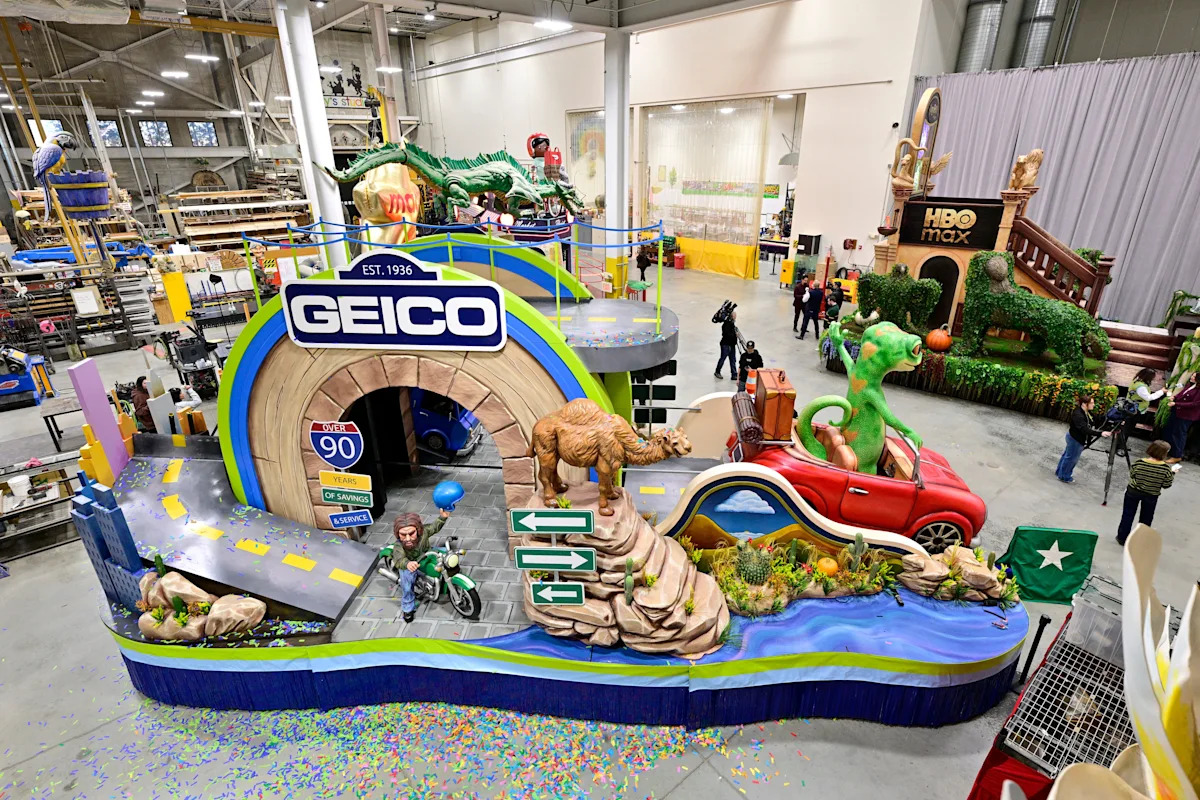
Add Texture to GoogleAt 140 State Street, in the industrial zone of Moonachie, New Jersey, a 6,690-square-meter warehouse conceals one of the best-kept secrets of the American imagination. With ceilings over 13 meters high, the Macy’s Parade Studio is not just a warehouse, but a high-precision laboratory where fine craftsmanship meets heavy engineering. It is here, far from the spotlight of Manhattan, that the monumental structures are crafted—structures that are set to celebrate their 100th edition in 2026. Hosted by Hoda Kotb, who is accustomed to covering the event alongside Savannah Guthrie and Al Roker, a look behind the scenes reveals a brutal physical reality: that of a logistical challenge where every centimeter counts to bring the dream to life through New York’s underground arteries.
The Cathedral of New Jersey’s Artisans
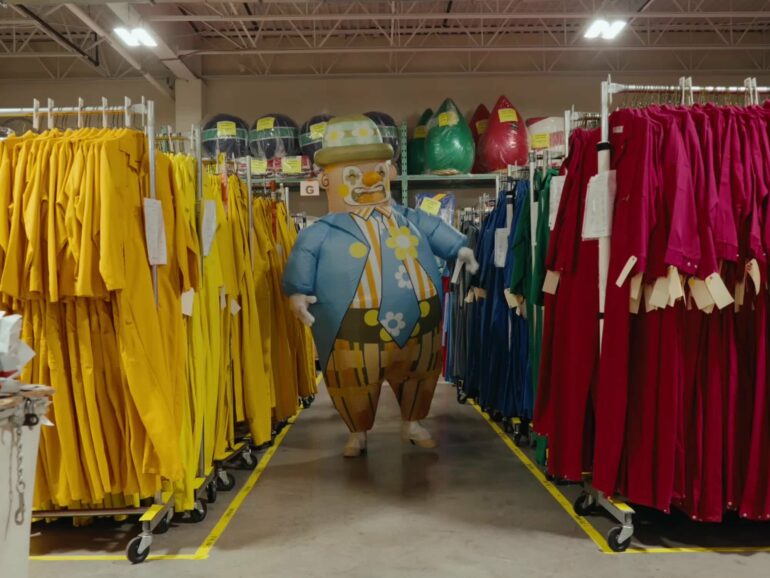
To bring the floats and suspended structures to life, an army of behind-the-scenes workers is busy year-round in this 72,000-square-foot space. The production team employs between 75 and 100 full-time specialists. This elite contingent includes sculptors, painters, carpenters, costume designers, and engineers. Their mission is twofold: to create visually stunning works while ensuring their structural integrity in the face of the elements and urban constraints. The studio’s 13.4-meter height is not an aesthetic luxury, but a technical necessity for testing the deployment of mechanisms and the strength of materials before they are moved to the Upper West Side.
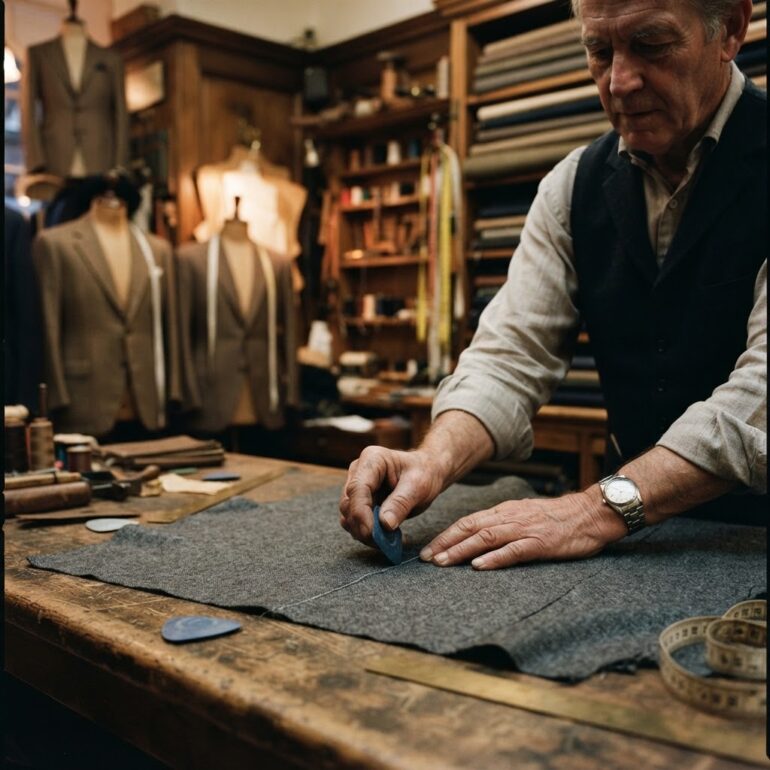
The work begins with the design of modular structures. Unlike a static museum sculpture, a parade float is an articulated machine. Each component must be able to withstand the vibrations of transport and intensive human handling. The precision demanded of these artisans is reminiscent of that found in fine jewelry or leather goods workshops, but transposed to an architectural scale. Every brushstroke and every weld must anticipate the gaze of millions of spectators, while adhering to technical specifications that leave no room for improvisation.
The Lincoln Tunnel Challenge: An Absolute Design Constraint
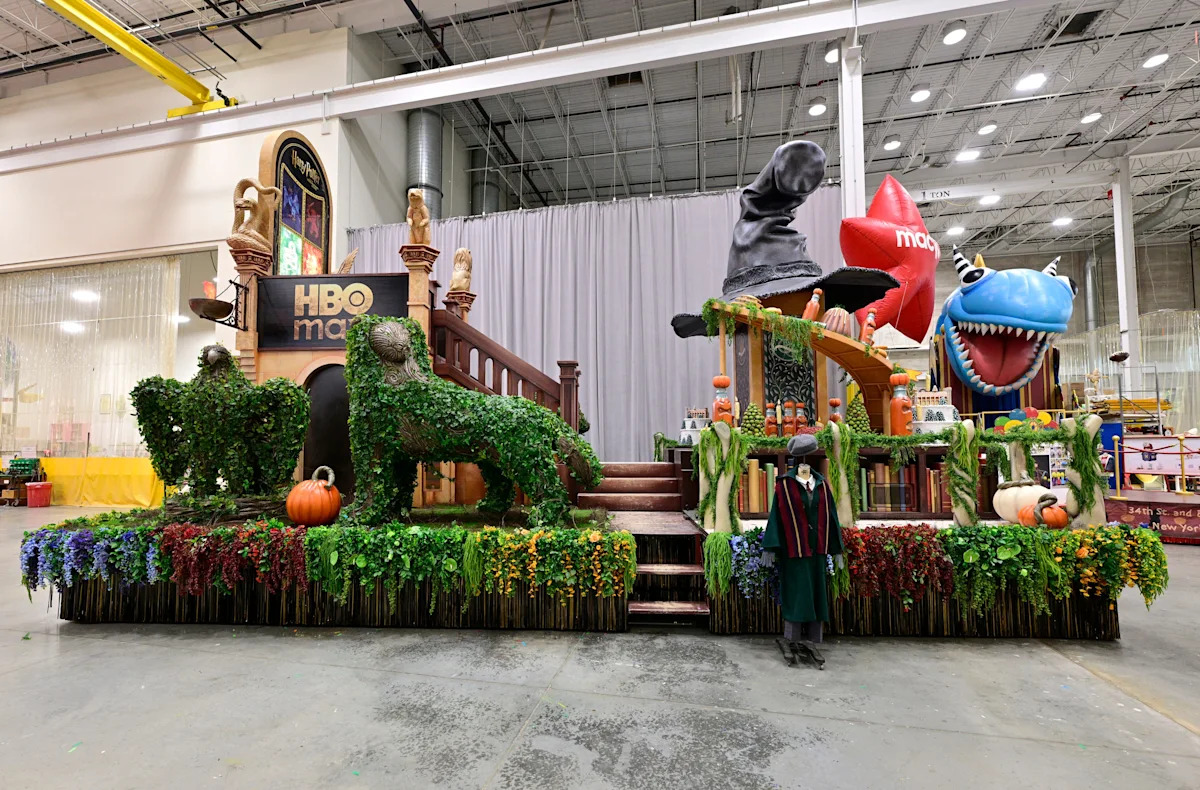
The biggest obstacle to the parade’s extravagance is not the budget or imagination, but the Lincoln Tunnel. This road infrastructure connecting New Jersey to Manhattan imposes a strict and unchangeable clearance limit. All floats, no matter how imposing they may be once deployed on 6th Avenue, must be designed to fold up. When passing through the tunnel and at toll booths on the night before the event, they must not exceed 3.81 meters (12.5 feet) in height and 2.59 meters (8.5 feet) in width.
This constraint transforms each float into a masterpiece of modular engineering. The structures are designed like giant origami pieces capable of folding up to fit within a standard roadway. Once they reach their destination in Manhattan, the work is far from over: fully reassembling these structures requires between 8 and 10 hours of intensive effort. This assembly time, carried out in the darkness and cold of late November, is the critical phase during which the modules are transformed back into moving monuments. It is this duality between the necessary compactness of transport and the spectacular expansion of the parade that defines the logistical genius of the operation.
From the Central Park Zoo’s animal exhibits to Tony Sarg’s balloons
The history of this parade is one of radical transformation. At its inaugural event on November 27, 1924, the event was called the “Macy’s Christmas Parade.” The goal was commercial: to celebrate the expansion of the flagship store on Herald Square and kick off the holiday shopping season. At that time, the New York sky was empty. The parade consisted of themed floats and, most notably, live animals on loan from the Central Park Zoo. Elephants, bears, tigers, and camels strolled through the streets, a practice that rooted the parade in the tradition of traveling circuses.
It wasn’t until 1927 that real animals gave way to giant inflatable figures, spearheaded by illustrator and puppeteer Tony Sarg. It was the character Felix the Cat who ushered in this new technological era. This shift to helium allowed the parade to literally rise above the crowd, creating a unique visual signature that led to the event being officially renamed the “Thanksgiving Day Parade” during the 1930s.

The Forgotten Era of Balloon Releases
Between 1928 and 1932, the end of the parade marked the start of a strange aerial treasure hunt. At the end of the route, the helium-filled balloons were not deflated but simply released into the New York sky. Macy’s had established a financial reward system: tags were attached to the balloons, promising a reward to anyone who returned the balloon envelope to the store.
This practice, though spectacular for its time, proved perilous. In 1932, a major incident hastened the end of this tradition: a drifting balloon became entangled in the wing of a training plane flying over the city. Faced with growing risks to aviation and public safety, the release system was permanently discontinued after the 1932 and 1933 editions. Since then, the balloons’ trajectory has been strictly controlled, ensuring that the magic remains confined to the designated ground route.
2026: The Historic Milestone of the 100th Edition
Although the parade began in 1924, it will not celebrate its 100th edition until 2026. This time lag is due to a historic suspension during World War II. Between 1942 and 1944, the parade was suspended for three consecutive years. The resources needed to manufacture and launch the balloons—helium and rubber—had been requisitioned by the U.S. military to support the war effort.
This upcoming centennial in 2026 marks not only the longevity of a cultural institution but also the resilience of a craft that has weathered the major crises of the last century. Each edition serves as a reminder of the delicate balance between tradition and technical innovation, where the sheer scale of the structures must always yield to the meticulous precision of New York’s infrastructure. The parade thus remains as much a performance in urban design as it is a popular spectacle—an annual demonstration that excess cannot exist without absolute mastery of physical constraints.