Make Texture a preferred source on Google to support us
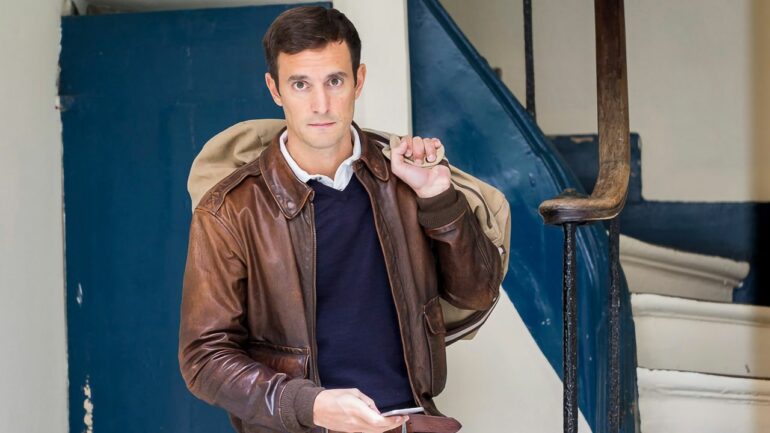
Add Texture to GoogleIn the privacy of a Haussmann-style apartment on the Right Bank, minimalism is not the order of the day. For Séverin Naudet, a digital entrepreneur and familiar figure in ministerial offices, clothing is neither a frivolity nor a mere social convention. It is a mental architecture, a self-contained and coherent system he has been building for two decades. This man behind the scenes, who served as the first director of the government initiative Etalab and as an advisor to François Fillon at Matignon, cultivates an absolute, almost devout loyalty to a single aesthetic: that of Ralph Lauren. In his eyes, the American designer is not merely a fashion designer, but the architect of a “dream factory”—a place that offers an ideal family to which everyone secretly aspires to belong.
From the Shadows of the State to the Spotlight of RRL
Séverin Naudet’s professional journey reads like a map of French influence over the past twenty years. Having worked in the music industry at Virgin and as head of content at Dailymotion, he has navigated between public data management and the launch of WeWork in France. Yet behind the multimedia expert’s professionalism lies a “Lo Head”—a term by which the brand’s most die-hard collectors identify themselves. This shift toward stylistic exclusivity did not follow the traditional path of the three-piece suit. A former fan of American streetwear, influenced by skate brands and a penchant for black, Naudet found his entry point through the RRL (Double RL) line.
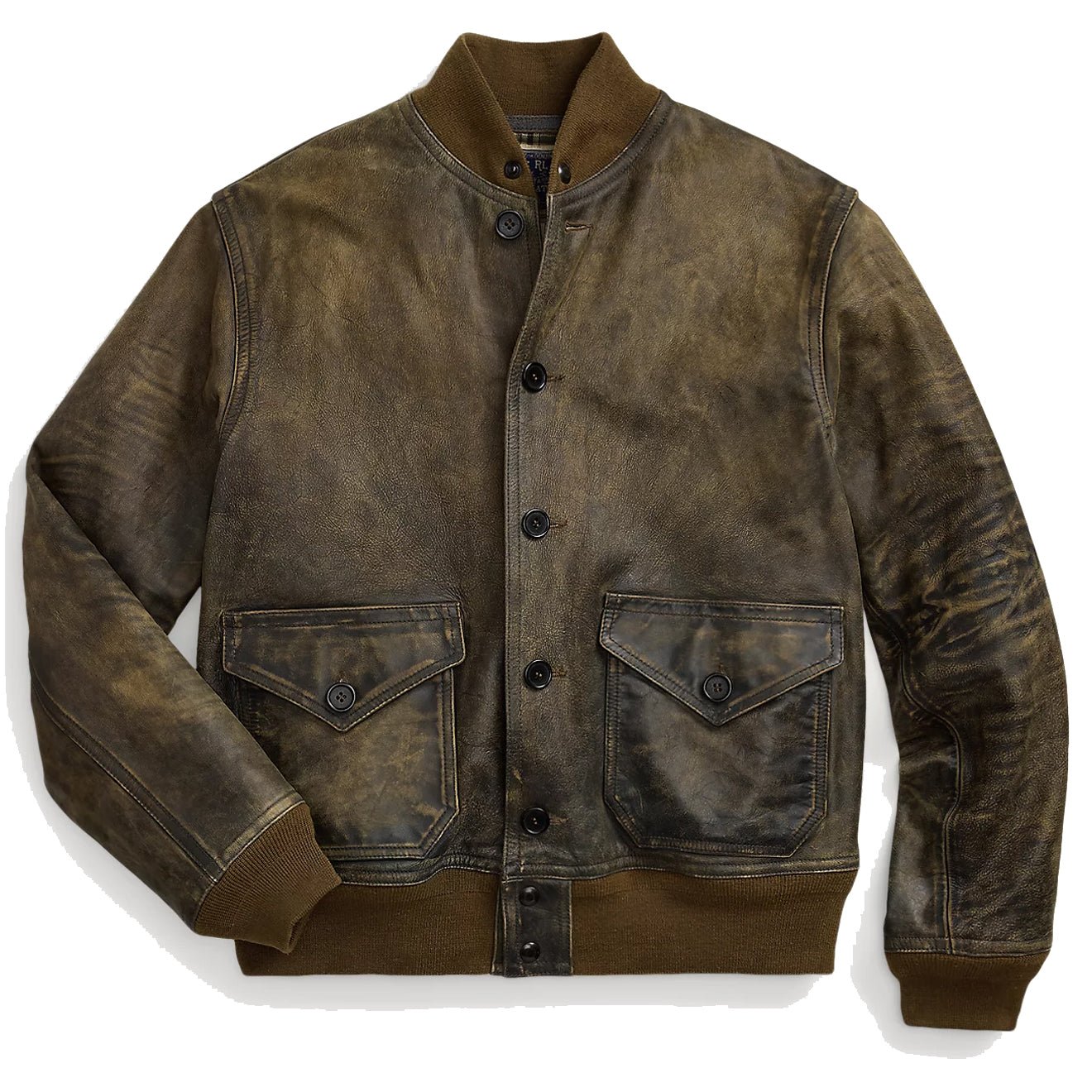
This division of the group, dedicated to workwear and the Western aesthetic, served as a catalyst. The raw aesthetic of the pioneers, the ruggedness of the denim, and the claimed authenticity of the cuts won over the former political communications specialist. One style in particular has become the cornerstone of his wardrobe: the Low Straights jeans. Ever since discovering them, Séverin Naudet has been buying at least two pairs a year, establishing a shopping routine that borders on a ritual. This search for a sense of permanence—in a digital world that is, by definition, ever-changing—highlights a desire to anchor himself in a solid, timeless mythology.
The Wardrobe as a Political System
For Séverin Naudet, the coherence of his collection—which reportedly now numbers several thousand pieces—goes beyond the realm of fashion to touch on a kind of philosophy of life, or even a political vision. He also maintains with conviction that Ralph Lauren would make an excellent president for the United States. Far from being a joke, this statement reflects his belief in the designer’s ability to unify disparate imaginations under a common banner. His wardrobe is thus strictly dedicated to the brand, excluding any other labels to preserve solely the world of the Bronx-born designer.

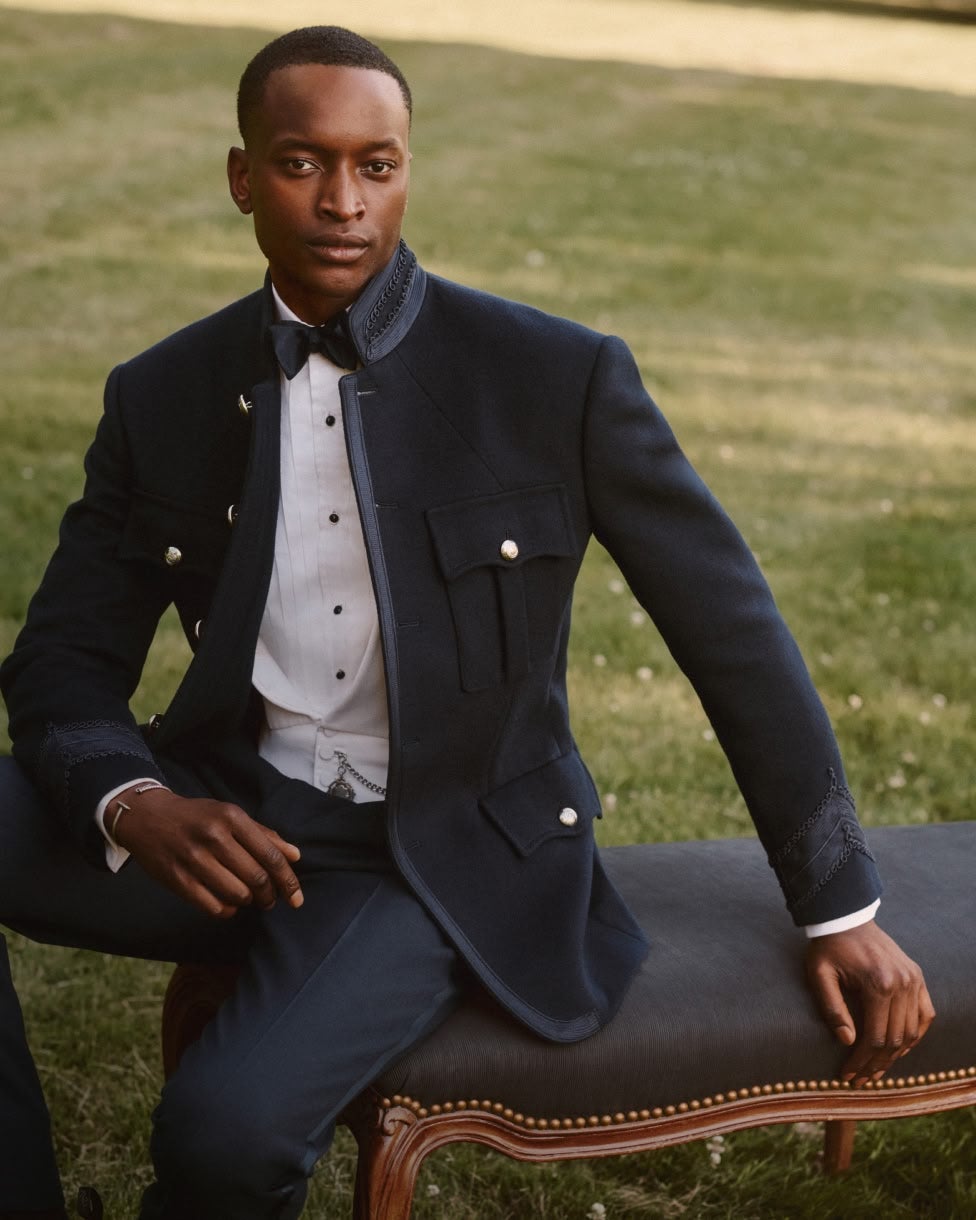
This exclusivity allows for a seamless transition between the various themes dear to the brand. In winter, Scottish tartans dominate, lending an aristocratic yet warm elegance. As soon as the season changes, the wardrobe shifts toward multicolored patchwork patterns where yellow, green, pink, and blue intermingle. This transition from dark to vibrant colors, from wool to textured cotton, illustrates the versatility of a system that, while monolithic in its brand identity, is infinite in its variations. Naudet particularly identifies with two pillars of Lauren’s DNA: the maritime world and the equestrian world. This latter point is by no means merely an aesthetic stance, as the entrepreneur has been riding horses since the age of 6, finding in the brand’s collections a direct reflection of his own life experiences.
Accumulation in the Service of Meaning
Although no precise inventory has been made public, the sheer volume of this collection, accumulated over decades, is impressive in its density. Within the walls of his Parisian home, the pieces are stacked not as trophies, but as elements of an everyday language. The total cost or market value of this collection remains undisclosed, as the collector prefers to highlight the emotional and narrative dimension of his connection to the brand. In a reflection published on November 11, 2026, Séverin Naudet elaborated on this unbreakable bond, seeing in the designer’s work a unique ability to portray an existence broader than reality.
This quest for belonging to a “dream family” is the guiding thread of a life spent structuring complex projects, whether political or entrepreneurial. Amid the profusion of tartans and Low Straight cuts, Naudet seems to have found complete stylistic stability. Far from being a constraint, this obsession offers him freedom of movement in the upper echelons of power and technology: the freedom to never again have to wonder who he is, since his clothing already tells his entire story.