Make Texture a preferred source on Google to support us
Add Texture to GoogleIndia’s economic and political capitals no longer have a monopoly on the attention of furniture and interior design retailers. While Mumbai, Delhi, and Bengaluru have long dictated trends and attracted investment from major brands, the sector’s geography is being reshaped by new regional dynamics. Attention is now turning to second-tier cities, seen as the next growth drivers. However, entering these new markets requires much more than simply replicating the models that have proven successful in major urban centers. The challenge for industry players is no longer merely to establish a brand’s status or image, but to navigate a diversity of local, logistical, and cultural realities where the relevance of the offering takes precedence over mere brand prestige.
The assumption that a metropolitan area’s size dictates its capacity to absorb costly development projects has now been debunked. Site selection strategies require a highly nuanced analysis, balancing actual purchasing power with the maturity of local infrastructure. In this regard, a study conducted by Knight Frank on twenty-four emerging cities across the country reveals striking disparities. The analysis shows that rigorous urban planning and adequate commercial space sometimes carry more weight than population density alone. Chandigarh thus outranks Surat in terms of its attractiveness for retail, while Surat—like Jaipur and Nagpur—suffers from a marked shortage of commercial real estate capable of accommodating large-scale showrooms.
The Challenge of Fragmentation
The evolving aesthetic tastes of these new customer bases are also changing the landscape. Industry reports, particularly those published by SEBI, highlight the decisive impact of digital platforms and frequent travel on the development of taste. Gone are the days when geographic distance implied a stylistic disconnect. Buyers are expressing a strong interest in contemporary designs and structures capable of serving multiple functions. Modular furniture, designed to adapt to specific spatial constraints, is capturing a growing share of attention.
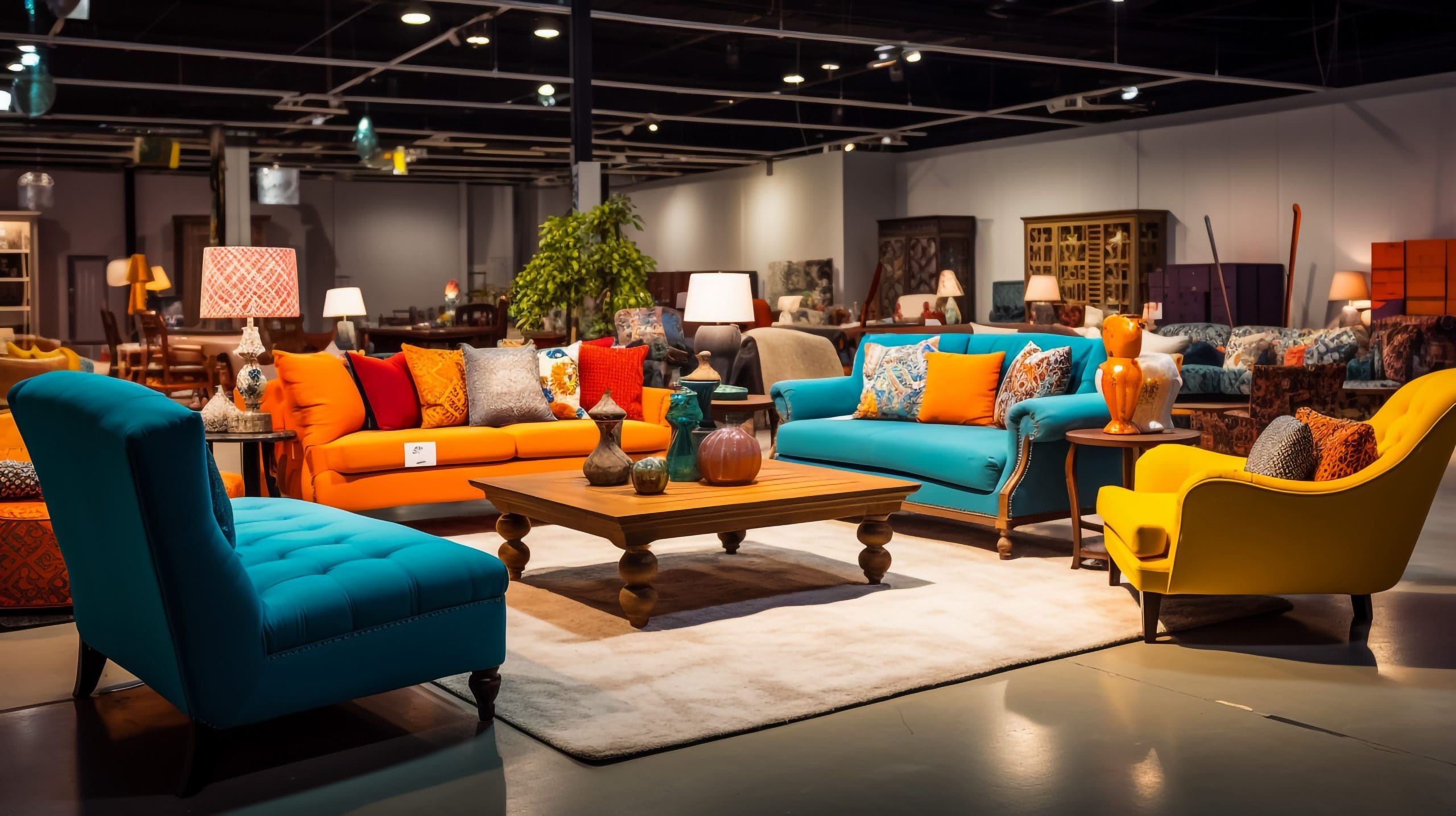
This visual convergence toward global standards does not, however, reflect a standardization of purchasing behavior or a blind attraction to the luxury segment. Thimmaiah Belliappa, who heads operations at Magari, emphasizes in Adgully the complexity of this clientele. He refutes the notion of a buyer driven solely by the search for the lowest price. Expectations are increasingly focused on the quality of the materials used, the precision of the design, and the durability of the piece. A high-priced item can certainly find its audience, provided that its creator is able to clearly articulate the value of their approach, from the selection of raw materials to the final execution.
The challenge is all the greater given that the local commercial ecosystem remains deeply hybrid. The analytics firm Nexdigm describes a landscape where independent artisans creating custom pieces, regional distributors, national players, and pure-play e-commerce companies all coexist. Traditional sourcing habits remain firmly entrenched. The penetration of organized structures is therefore occurring in small steps, broadening the horizon of possibilities without erasing existing local networks.
The Practical Nature of Use and Local Roots
In this highly competitive environment, adapting the product to its future environment has become a decisive factor. Studies conducted by Mordor Intelligence confirm this need to offer configurable solutions. Buyers want to adjust the dimensions, select their fabrics, and choose the finishes so that the piece fits perfectly into their home. This desire for customization is not merely a matter of vanity but responds to concrete design needs. The act of purchasing, which often involves a significant financial commitment, is accompanied by a need for reassurance: delivery times, return policies, and tools that allow customers to visualize the item in its future space are scrutinized closely.
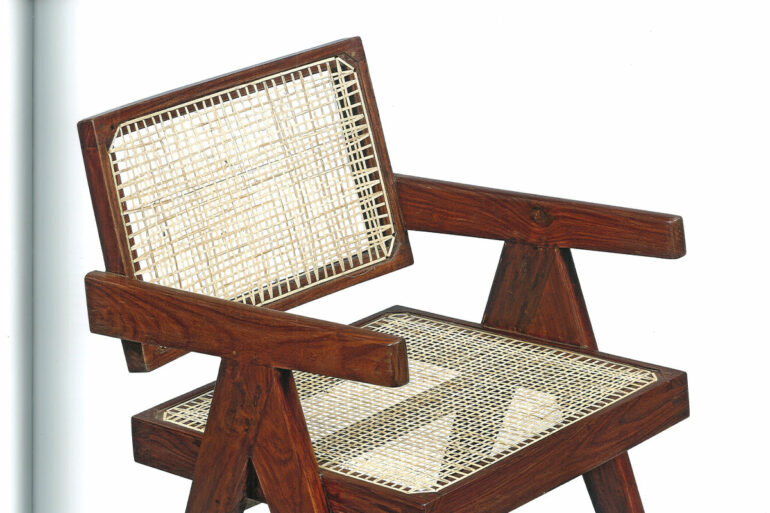
The integration of India’s technical and aesthetic repertoire serves as another anchor. However, the use of natural materials or time-honored techniques cannot be reduced to mere marketing hype. Belliappa’s analysis highlights the importance of truly embedding these techniques within the vocabulary of contemporary design. Artisanal craftsmanship must demonstrate its functional relevance in everyday life, moving beyond mere statements of intent to manifest itself in the actual use of the furniture.


The Challenge of Distribution and Delivery
While the initial discovery phase has largely gone digital, finalizing an interior design still requires a physical experience. Assessing the firmness of a seat, visually evaluating proportions within a space, or feeling the texture of crafted wood cannot be fully digitized. Wakefit’s strategic documentation illustrates this essential link between virtual catalogs, physical stores, and demonstration spaces. Omnichannel retailing, now the industry standard, demands seamless continuity.
Consistent pricing and accurate inventory levels across different touchpoints are just the tip of the iceberg. The real test for these retailers lies in logistics execution, which is particularly challenging when it comes to handling and assembling bulky items. The challenges associated with last-mile delivery and in-home installation, as identified by Nexdigm, can ruin even the most carefully curated in-store experience.
To expand their reach beyond major cities, brands regularly rely on franchise partners, who are invaluable for their knowledge of the local market. However, delegating sales requires maintaining strict control over the presentation of collections and after-sales service. Influencers—whether architects or interior designers—also play a vital role as intermediaries in establishing the credibility of new entrants among clients undertaking complex residential or commercial projects.
Ultimately, expansion into these new urban hubs is akin to a multi-variable equation. A company’s ability to manage its entire value chain—from design and sourcing to manufacturing, as exemplified by Wakefit’s integrated model—often determines its resilience. Conquering these intermediate markets precludes any standardized approach. Ensuring sustainable growth involves forging the right local partnerships, understanding the specific urban planning of each metropolitan area, and guaranteeing that the stylistic promise is accompanied by flawless technical execution and service. It is on this fine line—between aesthetic ambition and logistical pragmatism—that the future of the sector is taking shape.