Make Texture a preferred source on Google to support us
Add Texture to GoogleThe 61st Venice Biennale ended on an unprecedented note, transforming the prestigious Venetian event into a laboratory of improvised cultural democracy. On November 25, 2026, just three days after the event closed its doors, the results of a novel type of vote were announced. For the first time in its history, the institution awarded its prizes not under the authority of a panel of experts, but through the sovereign voice of its audience. This forced handover, born of a major institutional crisis, crowned American artist Nick Cave and the Indian Pavilion at the conclusion of an edition marked by resilience and mourning—both artistic and political.
A List of Winners Born of an Institutional Earthquake
The victory of Nick Cave and the Indian delegation cannot be understood without recounting the upheaval that marked the spring of 2026. On April 30, on the eve of the official opening, the five members of the international jury—Solange Oliveira Farkas, Zoe Butt, Elvira Dyangani Ose, Marta Kuzma, and Giovanna Zapperi—announced their collective resignation. The reason: a categorical refusal to award prizes to nations whose leaders are subject to arrest warrants issued by the International Criminal Court, specifically targeting Russia and Israel. Faced with this vacuum, the Biennale’s organizers had to reinvent the award system by introducing the “Visitors’ Lions.”
This decision to entrust the verdict to the audience shifted the event’s center of gravity. Prestige no longer stemmed from academic validation, but from the emotional and visual impact felt by the 714,015 visitors recorded this year. The rigorous voting process required visitors to have toured both exhibition sites—the Giardini and the Arsenale—in their entirety before receiving a unique link to participate. Against this backdrop of intense competition, where 100 national entries (a record number) vied for attention, the public overwhelmingly favored works capable of transforming pain into visual art.
Nick Cave: A Monumental Anatomy of Grief
In the main exhibition titled *In Minor Keys*—conceived by curator Koyo Kouoh before her death—Nick Cave emerged as the dominant figure. The Chicago-born artist, born in 1959, took over the Arsenale with a series of sculptures titled *Two Points in Time—At Once*. This series, conceived as a progression through the seven stages of grief, resonated particularly well with the twilight atmosphere of this edition.
The highlight of this presentation is undoubtedly *Amalgam (Origin)*, a monumental bronze sculpture dated 2024. The work depicts a human silhouette whose body appears to dissolve and metamorphose into a complex network of branches, flowers, and birds. Through this fusion of the tragic and the organic, Nick Cave captured the sensibility of an audience seeking meaning amid the geopolitical upheaval surrounding the event. While the Biennale did not release specific voting figures, the support for his work underscores visitors’ preference for a narrative and highly embodied form of art.
India’s Triumphant Return
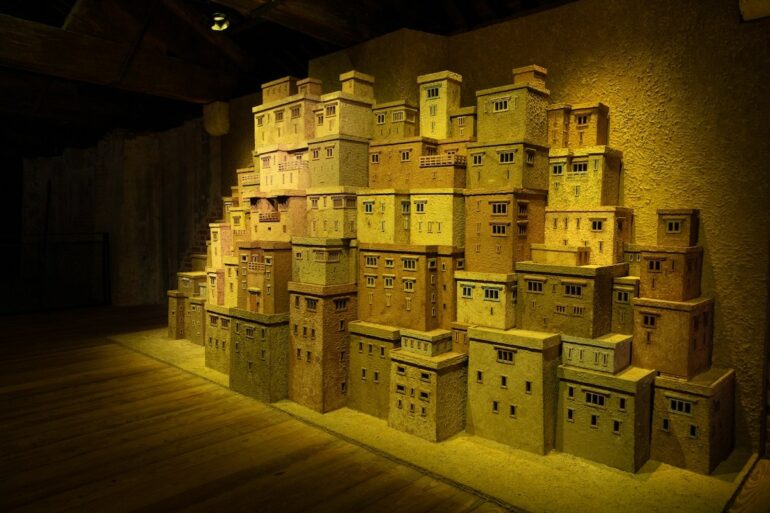
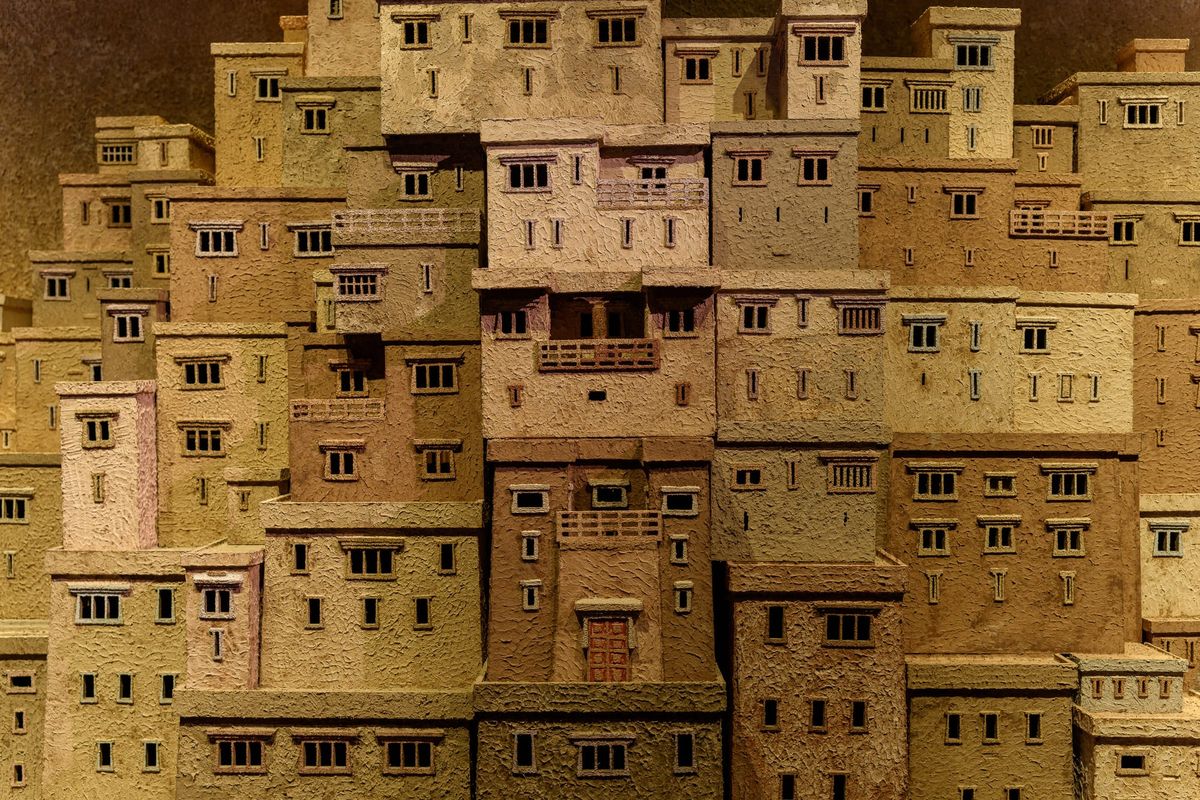
Among the national pavilions, India made a remarkable return after a seven-year absence. Curated by Amin Jaffer and the National Gallery of Modern Art, the exhibition *Geographies of Distance: Remembering Home* took over the Arsenale with a presentation centered on the memory of home and urban erasure. This pavilion brought together a group of artists—Alwar Balasubramaniam, Sumakshi Singh, Ranjani Shettar, Asim Waqif, and Skarma Sonam Tashi—whose works engaged in a dialogue about the fragility of belonging.

Sumakshi Singh’s installation—a meticulously sewn textile reconstruction of her family home, now destroyed—left a lasting impression with its ghostly and poetic quality. Alongside it, Asim Waqif’s imposing bamboo structure and Ranjani Shettar’s suspended sculptures made of organic fibers offered an immersive experience that the public deemed superior to the 99 other competing pavilions. This success crowns a curatorial strategy focused on raw materials and highly refined craftsmanship, a far cry from the technological artifices that are sometimes omnipresent in Venice.
A Vote Amid High Diplomatic Tension
Despite the enthusiasm generated by these nominations, the specter of a boycott loomed over the entire voting process. In solidarity with the resigning jury, numerous delegations and more than a hundred artists had officially requested that their names be removed from the voting lists. The organization, however, chose to keep all participants on the ballots in the name of equal access, while specifying that votes cast for candidates declared “withdrawn” would not be counted in the final result.
This rule casts doubt on the actual ranking of the raw votes, which the institution refuses to disclose. It cannot be ruled out that some artists boycotting the award may have received a significant number of votes before their technical disqualification. This deliberate lack of transparency highlights the Biennale’s difficulty in managing the political dimension of its awards. Nevertheless, the “Visitors’ Lions” allowed the event to conclude on a positive note, avoiding the humiliation of an empty list of winners.
To wrap things up, the weekend of November 21 and 22 saw record attendance thanks to a reduced admission price of 5 euros, allowing local residents and the last remaining visitors to participate in this popular verdict. This 2026 edition will go down in history as the one in which aesthetic legitimacy was wrested from the circles of experts and placed in the hands of those who bring art to life through their gaze: the visitors.