Make Texture a preferred source on Google to support us
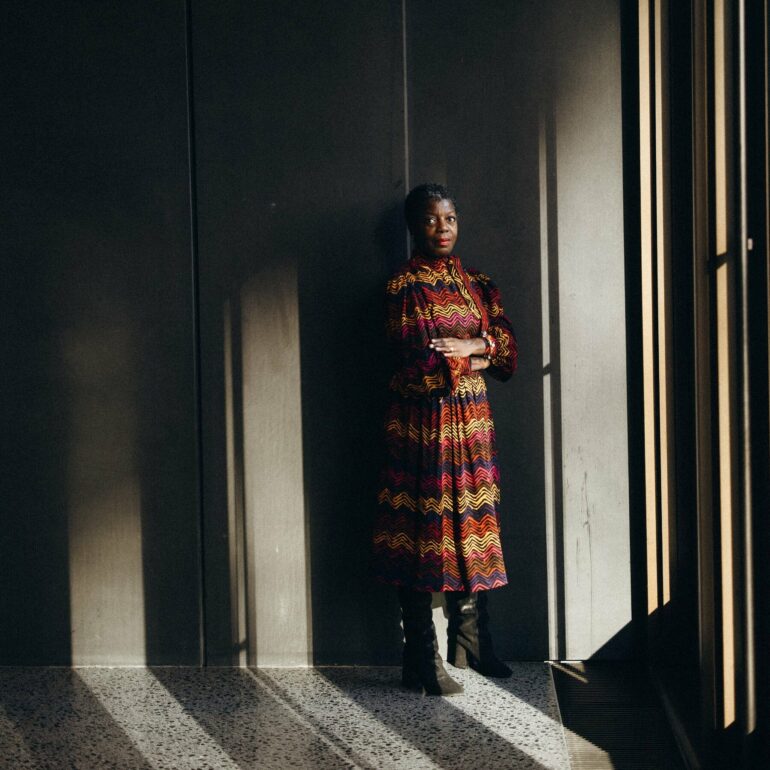
Add Texture to GoogleThe announcement has sent shockwaves through the international contemporary art world: Thelma Golden, a leading figure in the American curatorial scene, will step down as director of the Studio Museum in Harlem at the end of 2027. This decision, made official on November 24, 2026, by Kathryn C. Chenault, chair of the board of directors, marks the end of a tenure spanning more than two decades that has transformed a neighborhood institution into a global beacon for art created by the African diaspora. At age 61, the Ford Foundation Director and Chief Curator is choosing a planned departure, coming after the completion of the most ambitious projects in the museum’s history.
The culmination of an architectural and financial undertaking
Thelma Golden’s departure is not a sudden break but the culmination of a cycle of structural transformation. Her tenure will forever be linked to the construction of the institution’s brand-new headquarters on 125th Street in Harlem. This building, the first designed specifically to meet the museum’s needs, is set to open in the fall of 2025. By choosing to step down at the end of 2027, the director is ensuring the smooth operation of this new facility before handing over the reins to her successor.
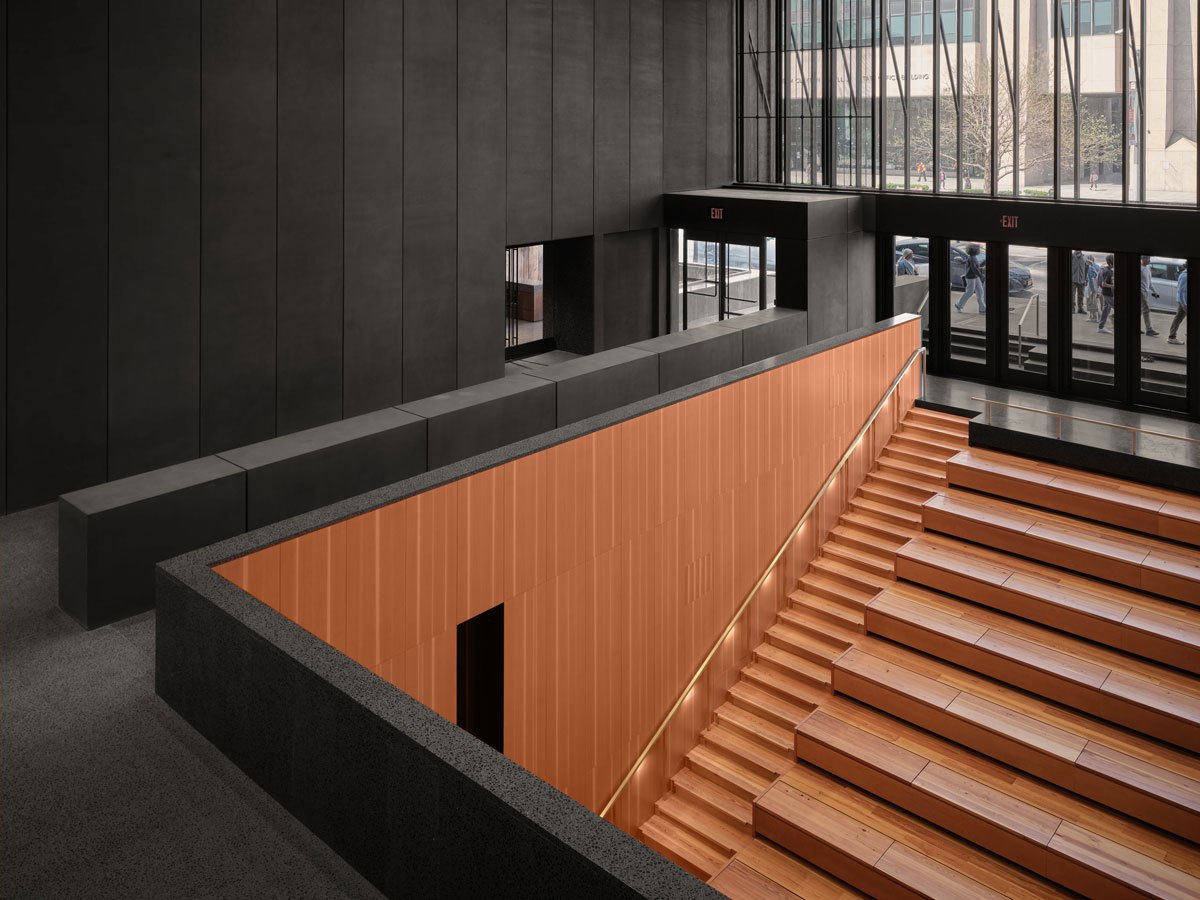
Beyond the physical structure, it is the Studio Museum’s financial stability that bears witness to the “Golden Era.” Under her leadership, the institution’s endowment has grown exponentially, rising from approximately $5 million (€4.7 million) to nearly $95 million (approximately €90 million). This financial foundation was strengthened by major strategic moves, such as the $10 million grant awarded by the Ford Foundation in October 2024. This exceptional funding made it possible to secure the position of director on a permanent basis, thereby guaranteeing the independence and continuity of the chief curator role for decades to come.
A Journey of Influence: From the Whitney to 125th Street
Thelma Golden’s history with the Studio Museum resembles a circular destiny. She got her start there as an intern while still a student at Smith College, before becoming a curatorial fellow in 1987. Her rise took her away from Harlem for a time to the Whitney Museum of American Art, where she made a lasting impression with her intellectual boldness. There, she curated the 1993 Biennial and organized the 1994 exhibition *Black Male: Representations of Masculinity in American Art*, an event that profoundly challenged racial representations in American art at the time.
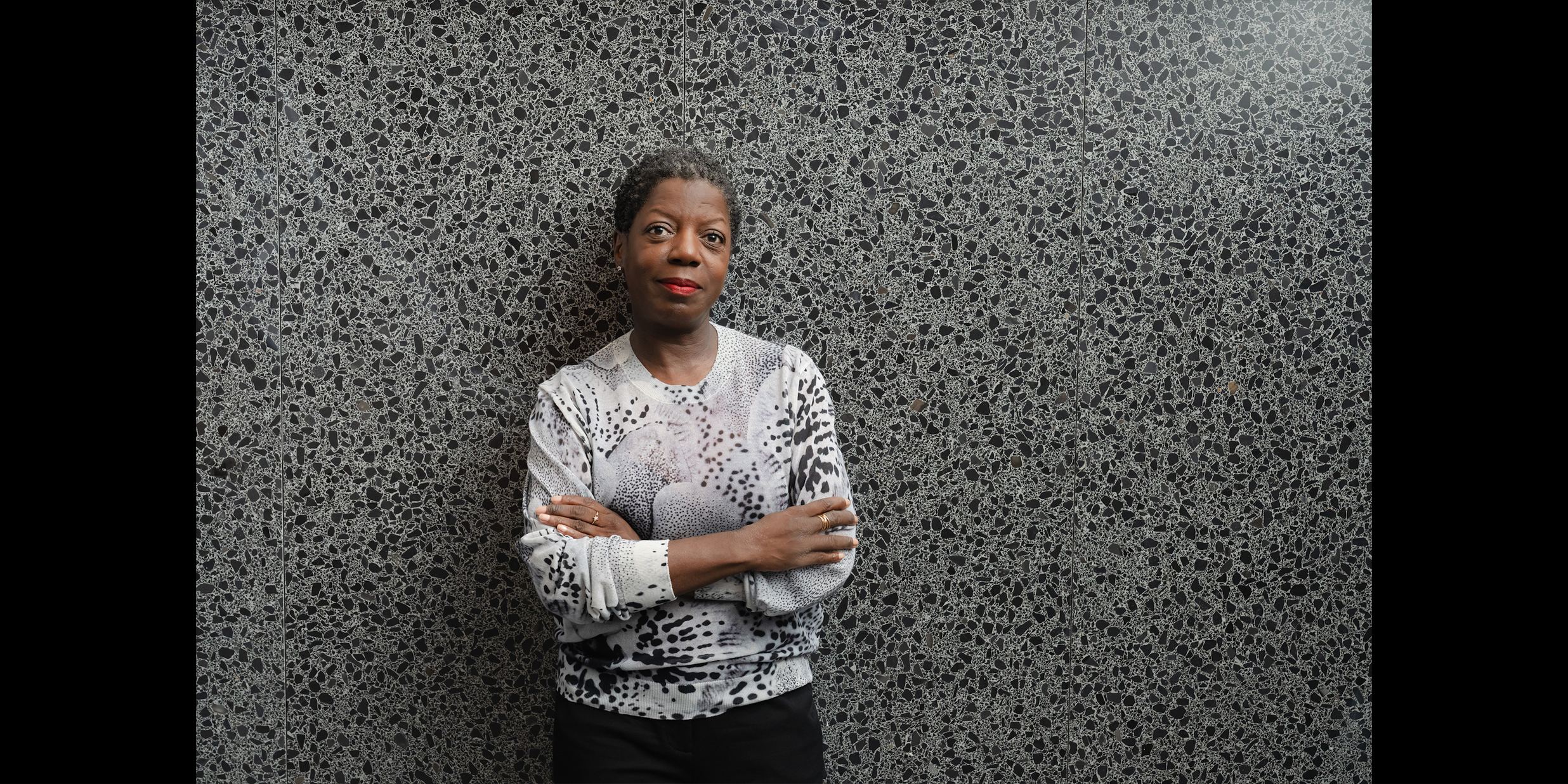
Her return to the Studio Museum in 2000—first as assistant director of exhibitions under Dr. Lowery Stokes Sims, then as executive director beginning in 2005—ushered in a period of theoretical redefinition. It was under her leadership that the concept of “post-blackness” took shape, notably through the Freestyle exhibition series launched in 2001. This approach brought to light a new generation of artists whose work, while rooted in the Black experience, breaks free from restrictive identity-based categorizations to embrace total formal and conceptual freedom.
Planning for the Future: A Leadership Transition Under Close Scrutiny
Aware of the challenges involved in governing an institution of this stature, Thelma Golden will remain in her position until her successor is officially appointed. The 31-member voting board of directors has already established an internal selection committee, supported by an international recruitment firm. The goal is to ensure a smooth transition in the management of programs and the collection as the museum moves into its new home.
At this time, no information has been released regarding the identities of potential candidates or the deadline for the appointment. The leadership emphasizes the rigor of the process to find a leader capable of maintaining the level of excellence and influence achieved over the past twenty years. In the meantime, the timeline remains flexible: while the end of 2027 has been set as the target date, it remains contingent on the formal installation of the new leadership. This planned departure allows the art world to prepare for the end of a chapter in which the Studio Museum has successfully navigated the complex challenge of remaining a community-focused institution while becoming an indispensable reference point in global culture.