Make Texture a preferred source on Google to support us
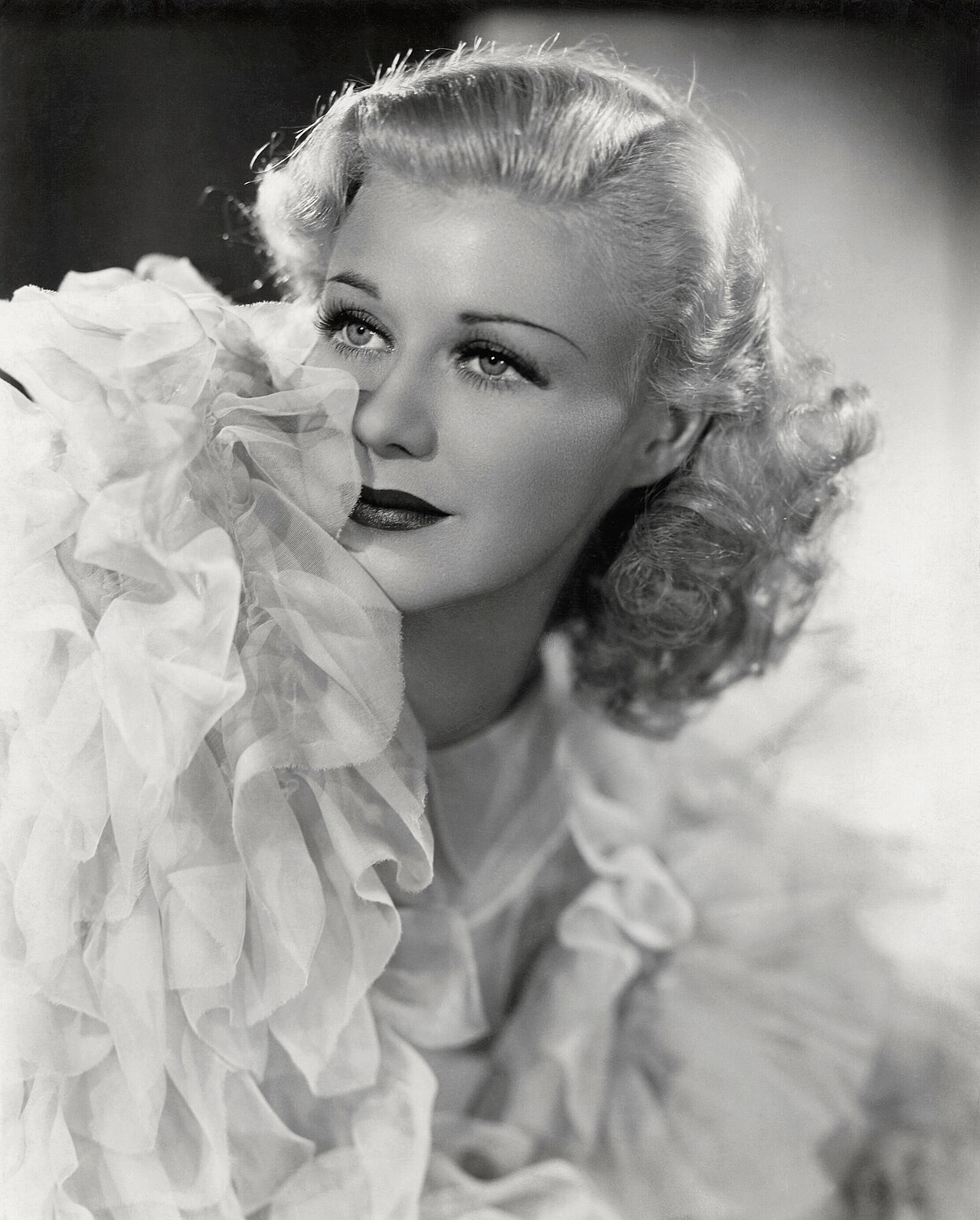
Add Texture to GoogleThe announcement recently sent ripples through film circles: Sabrina Carpenter is set to step into Ginger Rogers’ shoes for a biopic produced by Sony Pictures. As Tom Holland prepares to portray Fred Astaire under the direction of Paul King, interest in the woman who was much more than just a dance partner is experiencing a resurgence. But behind the glitz of RKO and the technical perfection of the tap dance numbers lies a unique domestic reality, rooted in the hills of Southern California. Far from the image of the ethereal starlet, Ginger Rogers (1911–1995) was a shrewd businesswoman and interior designer, crafting homes that reflected her personal discipline and a pronounced taste for a form of glamorous asceticism.
The Gilcrest Drive Stronghold: A Balance of Restraint and Panoramic Views
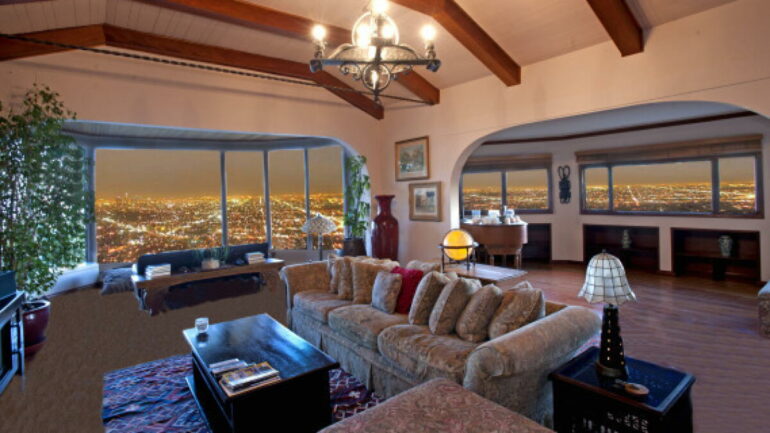
In 1937, at the height of her fame, Ginger Rogers purchased a plot of land at the highest point of Beverly Crest in Beverly Hills. Located at 1605 Gilcrest Drive, the villa she had built there became her primary home until the 1960s. The design of this home was not entrusted to a prominent interior designer but orchestrated by the actress herself, with the help of her mother, Lela Rogers. Together, they envisioned a retreat that defied the party-oriented conventions of the time.
The most unusual feature of the property is undoubtedly its built-in soda fountain. This choice, far from being a mere retro whim, reflected Rogers’ religious convictions. As a follower of Christian Science, she was strictly teetotal. In this home where alcohol was banned, no bar disrupted the layout of the reception rooms. For the actress, this home was a place of pure happiness, a place where she claimed she never felt anger when she wasn’t working, so fulfilling was the simple act of being there. The exterior was no less impressive: in addition to a tennis court and a swimming pool, the location offered, on clear days, an unobstructed view all the way to Santa Catalina Island.
The Neo-Colonial Legacy of the Hollywood Hills
Before moving to the heights of Beverly Crest, Ginger Rogers made her home in a Spanish Revival-style residence nestled in the Laurel Canyon area. This nearly 450-square-meter property, characterized by its exposed beams, period fireplaces, and enclosed patio, remains inextricably linked to her second marriage to actor Lew Ayres. The couple, who married in 1934, moved in there before separating two years later; their divorce was finalized in 1940.
The recent history of this home attests to the resilience of real estate heritage linked to the Golden Age. In May 2011, the villa was listed for around $2.4 million. Three years later, its asking price jumped to $4.5 million, and it was finally sold in July 2015 for $3,955,000. These successive transactions underscore the enduring appeal of these architectural gems, which bear the traces of MGM and RKO icons—a legacy that extends far beyond mere square footage.

Rancho Mirage: A Sanctuary of Color
The final chapter of Rogers’ life in California unfolded in the warmth of the Coachella Valley. In 1972, she purchased a winter home within the gated community of the Thunderbird Country Club in Rancho Mirage. Built in 1963, this house became her retreat, alternating with her ranch in Oregon. Here, the aesthetic shifts: pink—the actress’s favorite color—pervades the space. From the facade with its retro tiles featuring pink grout to the pale pink crystal chandelier that welcomes visitors in the entryway, the home is a chromatic statement.
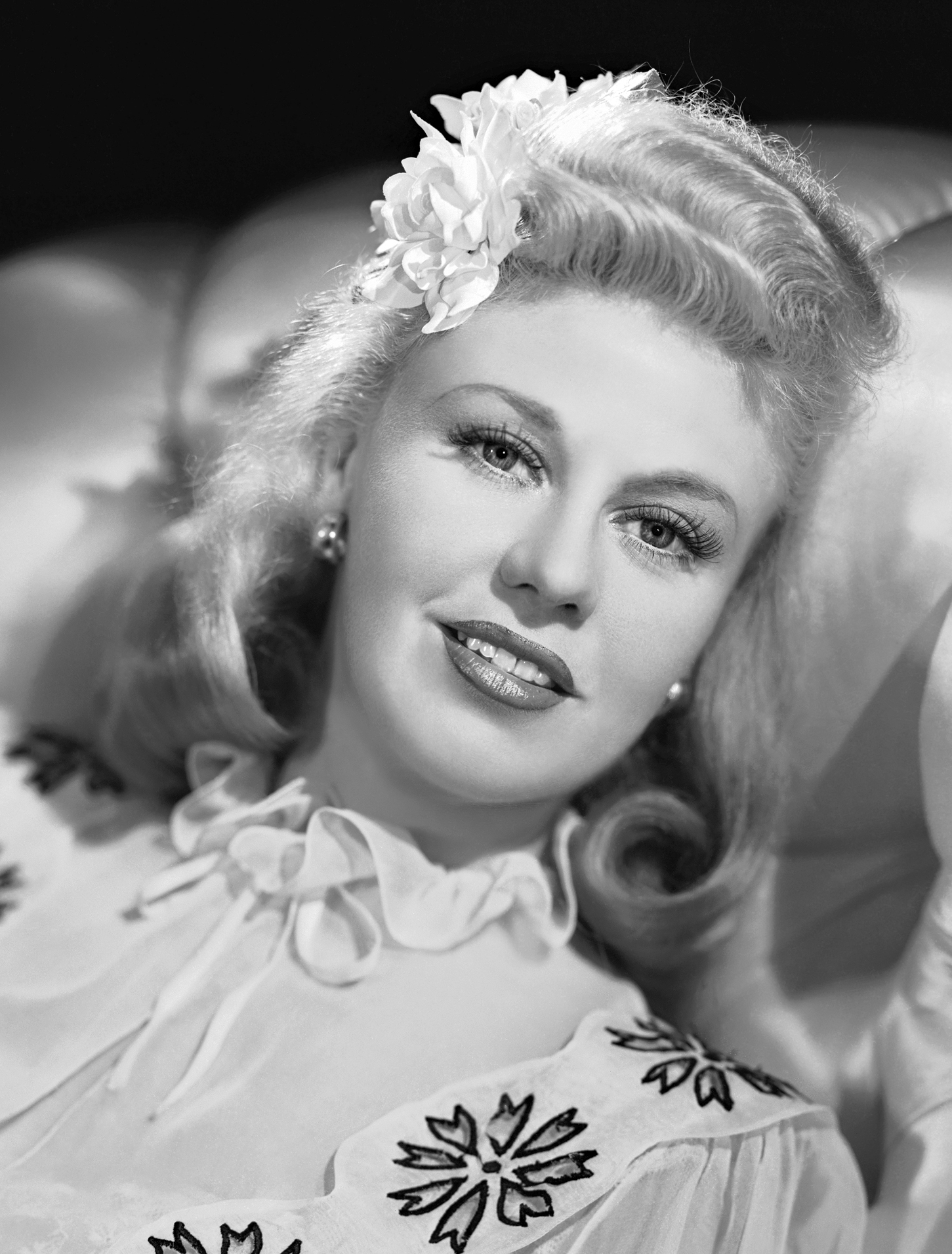
It was in this setting that she passed away on April 25, 1995, at the age of 83. The fate of this house marks the end of an era: purchased by a neighbor after her death, it was resold in May 2004 for $850,000. This retreat from the world, in a setting as strictly defined as that of Rancho Mirage, offers a striking contrast to the actress’s early years in a modest four-room house at 100 Moore Street in Independence, Missouri, where her mother had refused to let her be born in a hospital.
A Biopic with Artistic Tension
The film project led by Sony Pictures—which is driving this renewed interest in Rogers’ legacy—is sure to raise questions. Director Paul King is drawing on a screenplay inspired by Kathleen Riley’s biography, *The Astaires: Fred & Adele*; the historian is also serving as a consultant on the film. In addition to Sabrina Carpenter and Tom Holland, the cast includes actress Margaret Qualley as Adele Astaire, Fred’s sister and first dance partner.
However, a shadow looms over this production: Fred Astaire had explicitly stipulated in his last will and testament that he did not want his life brought to the screen. The production team chose to circumvent this moral veto by adapting Riley’s book without obtaining the approval of Astaire’s widow. While the filming schedule has not yet been announced, the film promises to contrast the screen legend with the complex reality of these performers, whose lives off-camera were governed by principles sometimes far more rigid than even the most demanding choreography.