
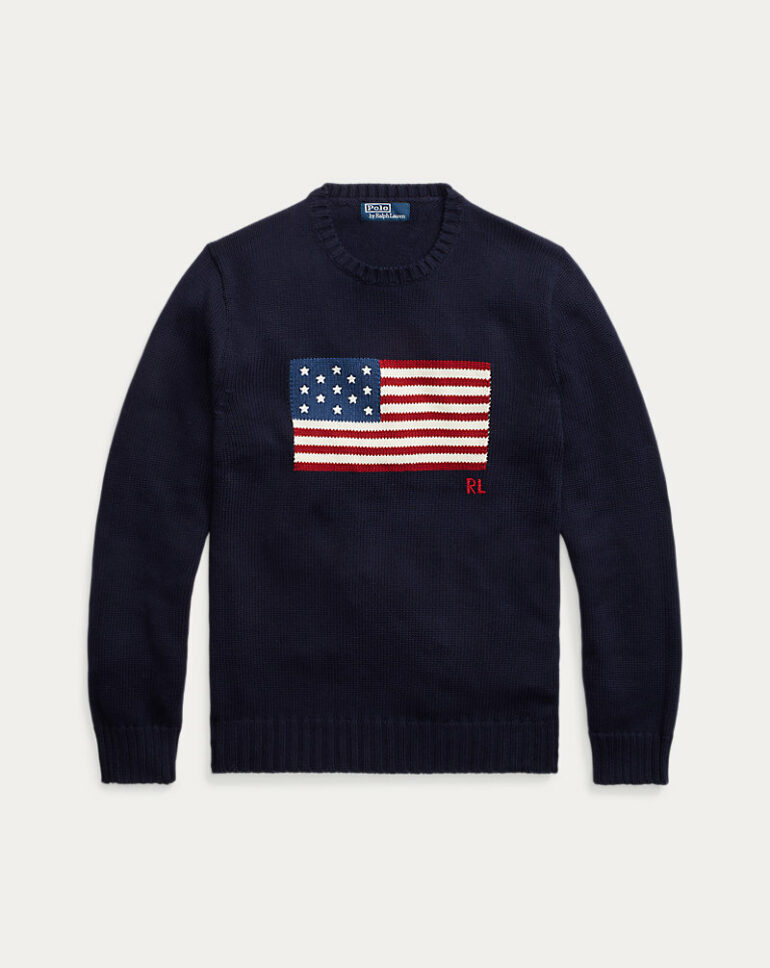
Can sixty decades of fashion fit into a single volume? As you flip through the roughly 600 pages of *Ralph Lauren: Runways*, penned by the sharp-witted Bridget Foley, you quickly realize that this is more than just a retrospective on fashion. This massive book does more than simply catalog fabrics and cuts; it documents the creation of a mythology by a man who, starting from nothing, went on to dictate the codes of aristocratic elegance to the world. Behind the abundance of photographs and silhouettes, the architecture of a vision is revealed: that of Ralph Lauren, the outsider who became the architect of the American dream.
The Staging of an Ideal
For Ralph Lauren, clothing has never been an end in itself. It is the indispensable accessory to a broader narrative. Leafing through the archives of his fashion shows, one constant stands out: each piece seems plucked from a preexisting setting. Whether it’s a tweed jacket, a polo shirt, or an Oxford shirt, the garment exists only through the world it evokes. The references are timeless and revolve around strong cultural pillars: the Ivy League aesthetic, the hushed atmosphere of country clubs, the raw imagery of the Wild West, and the luxurious tranquility of Hamptons estates.
The paradox of this work lies in its origins. This world of privilege and equestrian traditions is not the designer’s native soil. Born Ralph Lifshitz in 1939 to a family of Ashkenazi Jewish immigrants in the Bronx, he grew up in modest circumstances, light-years away from the prestigious campuses and grand estates of New England. It was precisely this position as an observer that forged his genius. Not being an heir to this elite, he scrutinized its codes with the precision of an ethnologist in order to better reinvent them. He didn’t inherit the American Dream; he crafted it, piece by piece, making it more desirable than reality itself.
The Boldness of the Wide Tie: A First Showdown
The empire we know today began with an accessory as classic as it was unlikely to spark a revolution: the tie. In the late 1960s, after cutting his teeth in sales—notably at Brooks Brothers—Ralph Lauren proposed an idea that went against the trends of the time. While narrow, austere styles were in vogue, he envisioned wide, colorful, and bold ties. His employers refused, deeming the project unrealistic. The entrepreneur then chose to strike out on his own and partnered with the manufacturer Beau Brummell to launch his own line.
This formative anecdote illustrates the businessman’s temperament. Shortly thereafter, when he presented his designs to Bloomingdale’s, the buyers at the famous department store demanded that he narrow the width of his ties to conform to market standards. Ralph Lauren flatly refused. Rather than sacrifice his vision for an immediate business opportunity, he stood his ground. The store eventually relented, and success was immediate. This refusal to compromise marked the beginning of an era in which it was no longer the designer who adapted to the market, but the market that was won over by a unique offering.
The Creation of a Global Lifestyle
The major turning point came in 1972 with the introduction of the embroidered horseman on cotton polo shirts. This simple yet effective logo instantly became a symbol of social status. But Ralph Lauren’s strength lay in quickly realizing that fashion was only a small part of a much larger vision. In the 1980s, the brand ventured into areas where few fashion houses dared to go: interior design, home linens, fragrances, and even the restaurant business.
By extending its brand universe across every possible medium, it created a true ecosystem. A tablecloth, a blazer, or a pair of loafers are no longer isolated products, but gateways to an idealized, prosperous, and timeless America. By purchasing a Polo-branded item, the consumer isn’t just buying a quality garment; they’re acquiring a piece of a private club to which they can now symbolically belong. This ability to transform class codes into global consumer products is the true foundation of its financial power.

From Rapid Expansion to a Return to Scarcity
The company’s initial public offering in 1997 marked the beginning of a phase of massive international expansion. Between 2000 and 2014, the group experienced spectacular growth, with revenue soaring from $2 billion to over $7 billion. Ralph Lauren established a presence everywhere—from Europe to Asia—opening numerous flagship stores and flooding department stores with its products. However, this ubiquity eventually backfired on the brand. By being everywhere, its prestige began to fade. The proliferation of discounts and the saturation of distribution channels diluted the premium image built up over decades.
Faced with this slowdown, the group launched a strategic transformation plan in 2016 called “Way Forward.” The idea was to regain control: close the least profitable retail locations (with a target of $180 million to $220 million in annual savings), limit promotions, and streamline the organization. The goal was to restore the brand’s desirability by reintroducing a sense of exclusivity. This shift was accompanied by a new management structure. Although Ralph Lauren stepped down as CEO in 2015, handing the reins to Patrice Louvet, he remains the guardian of the brand as Executive Chairman and Chief Creative Officer.
A Family Empire Prepared for the Future
Today, Ralph Lauren Corporation is a giant with annual revenue projected to exceed $8 billion by 2026. While North America remains the historic stronghold, generating half of the revenue, Europe and Asia are now driving growth. Despite being publicly traded, the company retains a unique family-owned character: Ralph Lauren and his family still hold approximately 85% of the voting rights, ensuring a rare degree of independence from short-term stock market pressures.
In a cultural landscape marked by the return of “quiet luxury” and the “old money” aesthetic, the brand has regained striking relevance. Navy blazers, loafers, and immaculate shirts—which have defined Lauren’s style for fifty years—have once again become symbols of reassuring stability in uncertain times. By transforming symbols of social heritage into a universal language of status, Ralph Lauren has succeeded in his boldest gamble: allowing anyone, anywhere in the world, to join his club, while maintaining the illusion that its doors remain slightly closed.