Make Texture a preferred source on Google to support us
Add Texture to GoogleFall 2026 marks a rare moment of reflection on the history of American art. With the premiere at the Museum of Modern Art (MoMA) in New York of the documentary *The Powers: A Life in Art*, directed by Tyler Oliver, the spotlight is once again on one of the most unique and best-preserved collections of the 20th century. This film, which draws on previously unseen archival footage—including interviews with Andy Warhol, Roy Lichtenstein, and Robert Rauschenberg—chronicles the extraordinary journey of John G. Powers and his wife, Kimiko. Together, they formed what experts consider to be the vanguard of the first generation of Pop Art collectors—a journey that began amid the buzz of New York studios in the 1960s and now flourishes in the tranquility of the Colorado mountains.
A Story Sparked by Publishing
Nothing initially suggested that John G. Powers, head of the academic publishing house Prentice-Hall, would become one of the pillars of the avant-garde. The spark came in the early 1960s through Harry Abrams, a renowned art book publisher. Abrams encouraged Powers to take an interest in contemporary art, even going so far as to hang Abstract Expressionist paintings by Mark Rothko and Morris Louis right in the company’s headquarters. The experiment was a success: the enthusiastic reactions and interest it sparked among the publishing house’s employees convinced John Powers to become more deeply involved in art patronage and acquisitions.
Under Abrams’ guidance, the Powers couple began visiting the studios of young artists who were virtually unknown at the time. It was during this period that they met Andy Warhol, long before his silkscreen prints became global icons. The couple’s philosophy immediately set them apart from the simple logic of investment. Their purchases, made directly from the artists or from pioneering dealers like Leo Castelli, were based on deep friendships and active support for the creative process. For the Powers, collecting is not an act of speculation, but an extension of their social and intellectual lives.
Masterpieces of a Lifetime
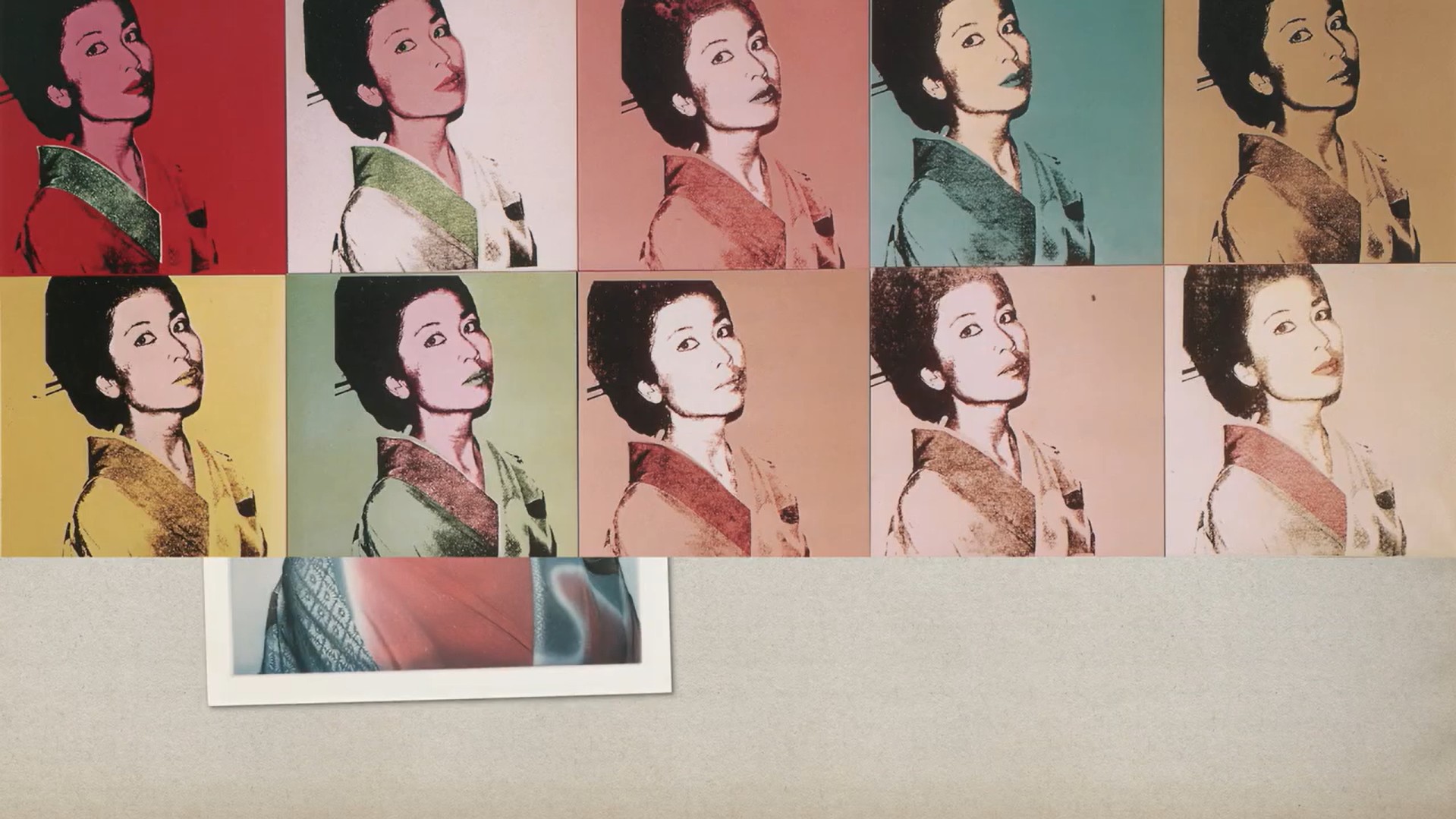
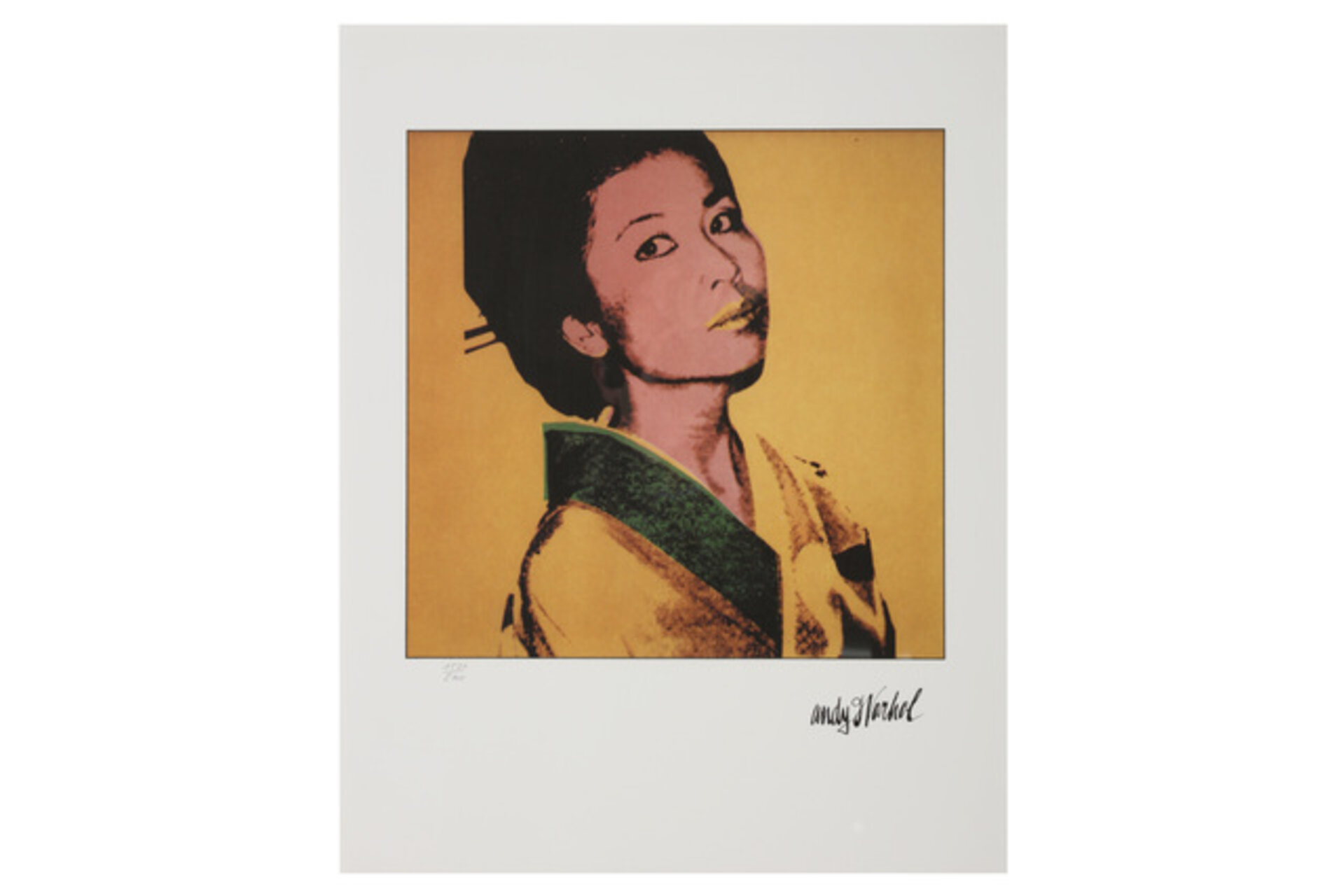
The collection assembled by John and Kimiko Powers is dotted with historic works that today define the Pop Art movement. One of the most iconic acquisitions remains *Two Hundred Campbell’s Soup Cans* (1962). This monumental painting was acquired by John Powers in 1965, purchased on the spot in the apartment of collector and architect Armand Bartos, after a tip from dealer Harry Diamond. This painting remains one of the cornerstones of their collection, alongside the portraits of Kimiko Powers created by Warhol in 1972. Of the 25 silkscreen prints originally produced, 12 are still held in the family collection. A portrait of John Powers playing the saxophone, also created by Warhol, attests to the close bond between the artist and his patrons.
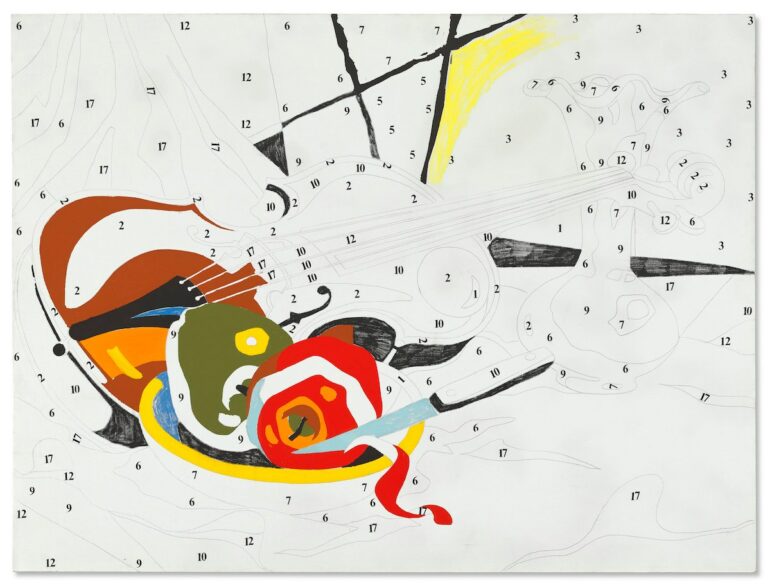
Beyond Warhol, the couple has maintained a steadfast passion for the work of Jasper Johns. They have patiently assembled what is considered the world’s most comprehensive collection of his works on paper and prints. The exact number of pieces is subject to ongoing inventory updates: while 290 prints were cataloged when their art center opened in 2014, the most recent data from 2026 lists nearly 400 works on paper, likely including drawings and working proofs. Major paintings such as *Map* (1965) and *White Alphabet* (1968) round out this collection, having been loaned for major retrospectives at the Whitney Museum of American Art and the Philadelphia Museum of Art between 2021 and 2022.
The collection also stands out for its eclecticism and penchant for experimentation. It features interactive works by Robert Rauschenberg, such as *Broadcast* (1959), which incorporates radio sets, and the motorized Plexiglas sculpture *Revolver* (1967). A more unusual piece perfectly captures the spirit of the era: a “soft sculpture” baseball bat created by Claes Oldenburg specifically for a friendly softball game played in Aspen in 1967 with John Powers. This ongoing dialogue with artists—complemented by works by Roy Lichtenstein, James Rosenquist, and Tom Wesselmann, was accompanied by a keen interest in traditional Japanese art, particularly Buddhist art and ancient scrolls, creating an aesthetic bridge between the effervescence of Pop Art and classical serenity.
The Colorado Sanctuary: The Powers Art Center
Unlike many historic American collections that were dispersed at auction after the deaths of their founders, the Powers’ collection has been preserved in its original form. After leaving New York to settle in Colorado’s Roaring Fork Valley, the couple laid the groundwork for a lasting institution. In the late 1980s, they established the Ryobi Foundation—now co-chaired by their grandchildren, Bobbi Hapgood and Jim Bohart—to safeguard this legacy.
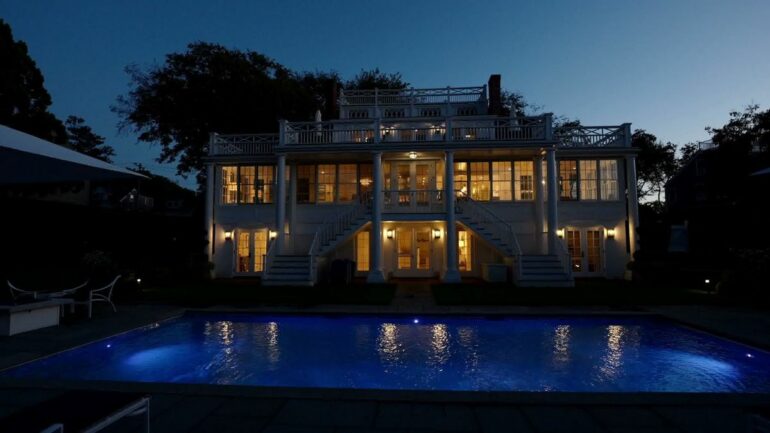
The crowning achievement of this legacy is the Powers Art Center, located in Carbondale. Opened in 2014, this 1,400-square-meter red sandstone building was designed by Tokyo-based architect Hiroshi Nanamori in collaboration with Glenn Rappaport. Nestled on a ranch spanning more than 400 acres, the building is a model of eco-design, with 75 percent of its energy supplied by a geothermal system coupled with solar panels and a battery bank.
The museum is organized according to a specific duality: the upper floor is permanently dedicated to prints and works by Jasper Johns, while the ground floor hosts temporary exhibitions highlighting other Pop Art pioneers in the collection. In keeping with the family’s commitment to sharing, access to the center and its educational programs remains entirely free to the public. This policy of permanent free admission underscores the philanthropic nature of a collection whose total value—though not officially disclosed by the Ryobi Foundation—is estimated by market experts at several hundred million dollars, given the rarity of the masterpieces it houses.
An Exemplary Legacy
In the fall of 2026, Kimiko Powers, aged 90, remains the guardian of this legacy. The complete preservation of this collection as a private philanthropic endowment is exceptional in an art market often marked by the fragmentation of estates. The documentary screened at MoMA, followed by a reception at Christie’s, confirms the “priceless” status—to use the term often employed in specialized circles—of this collection.
The Powers’ story is not merely one of accumulating cultural assets, but rather one of total immersion in the creative spirit of an era. By preserving the unity of their collection in Carbondale, the Powers family offers an intact record of the formative years of Pop Art, far removed from the fluctuations of the auction block, prioritizing research and educational accessibility for future generations.