Make Texture a preferred source on Google to support us
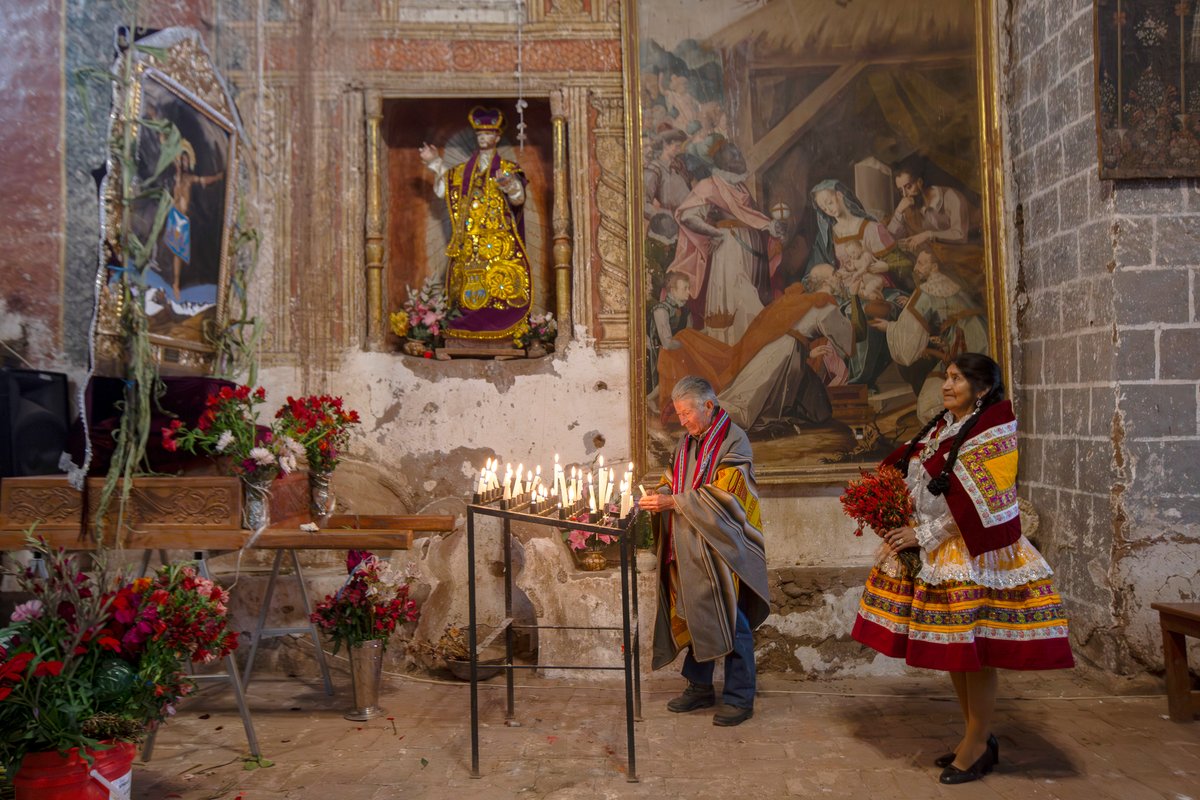
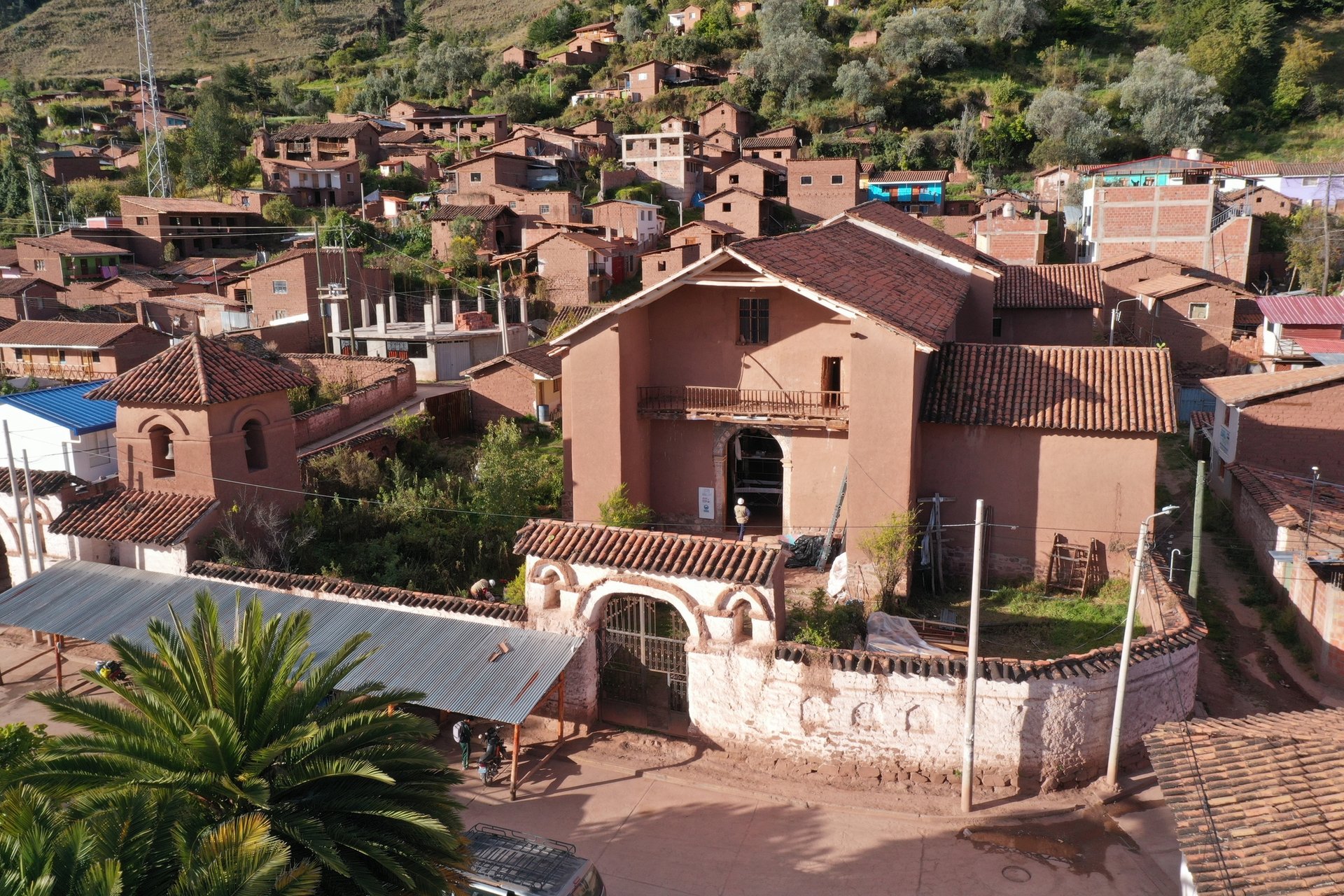
Add Texture to GooglePerched at an altitude of 3,400 meters in the folds of the Andes Mountains, the Santo Tomás de Aquino Church—better known as the Rondocan Church—is set to undergo a major architectural restoration. Located in the Cusco region of Peru, this 17th-century building embodies the purest expression of Andean Baroque architecture built of adobe. Its massive silhouette, defined by 1.20-meter-thick adobe walls and exterior buttresses, houses an artistic treasure that time and the region’s seismic activity threatened to destroy. As part of a strategic partnership announced on November 9, 2026, the Getty Conservation Institute (GCI) has teamed up with Peru’s Ministry of Culture to oversee the restoration and seismic retrofitting of this 340-square-meter monument.
Earthworks to Mitigate Earthquakes
The technical challenge of this project, which is scheduled to begin in 2027, lies in the structural fragility of adobe in the face of recurring earthquakes in the Andes. Since 2011, GCI’s Seismic Retrofitting Project has been developing specific protocols for historic earthen buildings, prioritizing reversible interventions that are compatible with the original materials. In Rondocan, the scientific expertise provided by the teams from Los Angeles—particularly under the direction of specialist Claudia Cancino—aims to reinforce the structure without resorting to invasive modern reinforcement. The use of reinforced concrete or heavy steel is prohibited here, as these rigid materials often accelerate the deterioration of adobe walls during ground movements.
The project calls for the reinforcement of the wooden framework and load-bearing walls, with US$5,000,000 in funding provided by the Peruvian government. This budget, allocated over a five-year period, covers not only the structural work but also the preservation of exceptional liturgical furnishings. The initiative builds on the success of a previous restoration project at the Santiago Apóstol Church in Kuñotambo, which now serves as a model for passing on traditional skills to local artisans and professionals.
The Rediscovery of Master Bernardo Bitti
Beyond its architecture, the church in Rondocan houses a collection of more than 300 inventoried cultural and liturgical objects, ranging from gold and silverwork to precious textiles. Some estimates put the number of historical pieces at 330, including carved and gilded wooden altarpieces, polychrome sculptures, and paintings on leather. The jewel of this collection is undoubtedly a series of eight paintings attributed to Bernardo Bitti (1548–1610). This Italian Jesuit priest and Mannerist painter, a central figure in the history of colonial art, is credited with introducing Mannerism to the Viceroyalty of Peru in the late 16th century. These works, long considered lost, represent a major milestone in colonial easel painting.

As part of this conservation program, the painting titled *La Oración en el huerto* (*The Prayer in the Garden of Gethsemane*), created by Bitti in Cusco between 1595 and 1599, is scheduled to be temporarily transferred to the Getty Center in Los Angeles in 2027. This transcontinental journey will allow scientists and conservators to conduct in-depth analyses and state-of-the-art conservation treatment before the work returns to its Andean home once the building has been secured.
A Living, Community-Based Heritage
The long-term preservation of the Rondocan church relies not only on cutting-edge techniques but also on the involvement of the local community. The project directly involves the village residents and the parish priest, César Ccorimanya Mayta, in a long-term maintenance process. This approach aims to train professionals from the Cusco region in the preventive management of the monument, thereby ensuring that the lack of maintenance that weakened the building in the past does not recur.
Although the schedule calls for the structural work to be completed by 2032, the ultimate success of the project will depend on the synergy between the Cusco Regional Directorate of Culture and international experts. The permanent reinstallation of Bitti’s cycle of paintings remains contingent on the success of this complex seismic retrofitting project, which is intended to restore to the Cordillera one of its most precious testaments to the artistic dialogue between Europe and the Andes in the 17th century.