Make Texture a preferred source on Google to support us
Add Texture to GoogleOn June 8, 1870, Charles Dickens set down his pen in the quiet of a small wooden cottage in Higham, Kent. It was his last day of work. The next day, the writer passed away, leaving behind the unfinished manuscript of *The Mystery of Edwin Drood*. This creative retreat—a miniature Swiss chalet built on stilts—is now the subject of a major alert. On November 5, 2026, Historic England officially listed this building, along with the ruins of Hastings Castle, on the Heritage at Risk Register. This annual list identifies sites of national importance threatened by physical deterioration, lack of maintenance, or inappropriate development projects.
Charles Dickens’ Swiss Retreat
Listed as Grade I—the highest level of protection in the UK—Charles Dickens’s chalet tells a story of artistic camaraderie. Given to the author in 1864 by the French actor Charles Fechter, the building arrived from Switzerland in 58 crates before being assembled at Gad’s Hill Place. It wasn’t until the 1960s that it was moved to its current location in the gardens of Eastgate House in Rochester. Over its two stories, Dickens conceived major portions of his later work there, notably *Our Mutual Friend* and *The Uninvited Guest*.
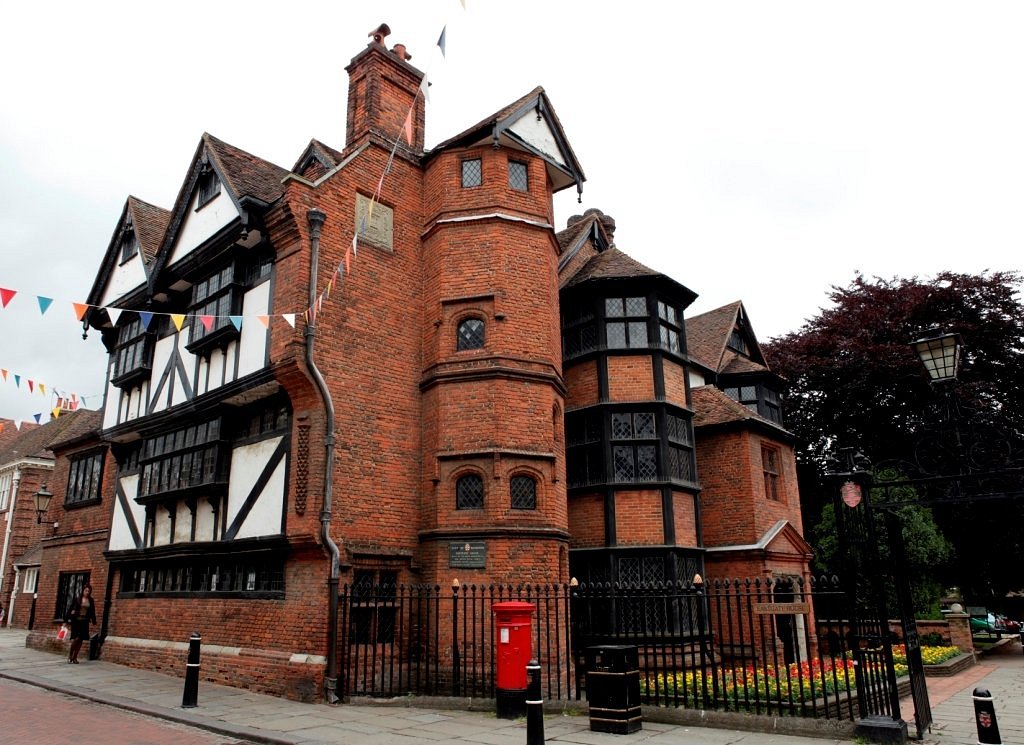
The experts’ assessment highlights advanced structural deterioration. Moisture and inclement weather have caused timber decay, creating such instability that the interior of the pavilion remains inaccessible to the public today. To address this emergency, £285,000 (approximately €333,000) has been allocated for the first phase of work. This funding includes £240,000 from the National Lottery Heritage Fund, £40,000 from Medway City Council, and a contribution from the Dickens Fellowship. The project calls for a comprehensive restoration using traditional techniques, as well as the creation of a Victorian sensory garden surrounding the cottage.
Hastings: A Fortress Battling Erosion
A few dozen kilometers away, on the East Sussex coast, an entire chapter of medieval history is teetering on the brink. Hastings Castle, a Norman fortress commissioned by William the Conqueror around 1067–1070 to secure the coast following the 1066 conquest, is now among the country’s most vulnerable sites. Immortalized on the Bayeux Tapestry, this stone sentinel is weathering the combined assaults of time and the elements.

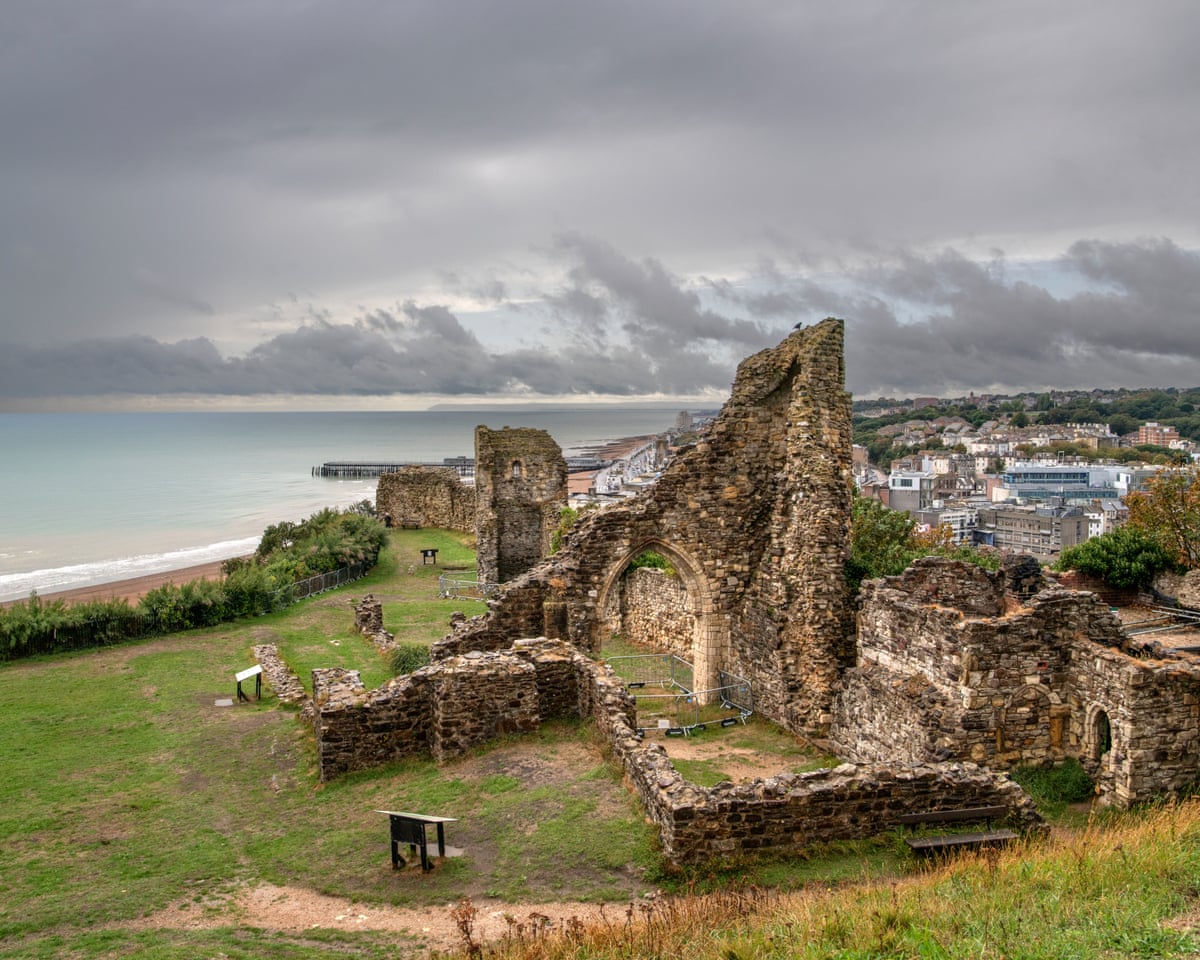
The threat here is geological: the sandstone cliffs on which the ruins stand are eroding at an accelerated rate. Increasingly violent winter storms and extreme weather events are weakening the ancient masonry. Although the total cost of the necessary stabilization work has not yet been disclosed, the listing underscores the critical nature of the situation for this stronghold that has overlooked the English Channel for nearly a millennium.
Heritage Under Climate Pressure
The 2026 edition of Historic England’s register paints a concerning overall picture, with 197 new listings, bringing the total to 4,991 protected sites at risk across England. This inventory includes approximately 1,500 secular buildings, 1,000 places of worship, as well as battlefields and shipwrecks. For the 2025–2026 fiscal year, the public agency has already allocated more than £12 million (approximately €14 million) in grants to support 135 priority sites.
Beyond natural wear and tear, experts point to the decisive role of climate change in the survival of this heritage. The alternation between rainier winters and hotter, drier summers exacerbates the shrinkage-swelling cycles of clay, causing differential settlement in historic structures. Water infiltration and coastal erosion are becoming systemic risk factors, forcing conservationists to rethink the long-term preservation of national monuments.