Make Texture a preferred source on Google to support us
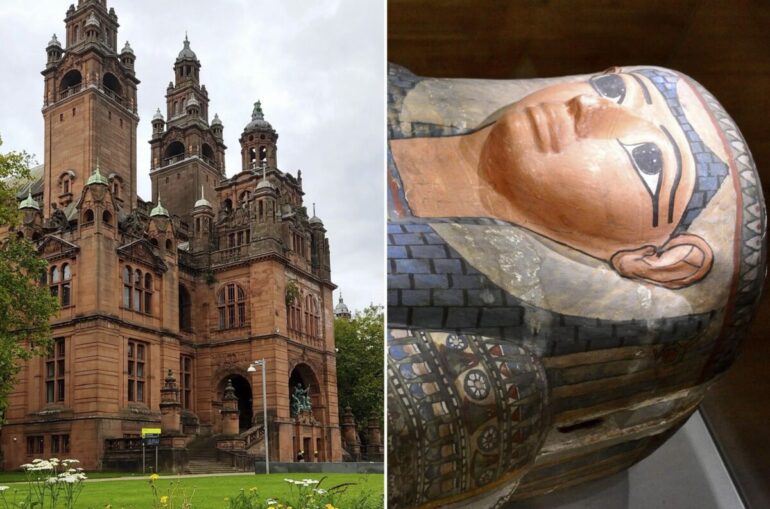
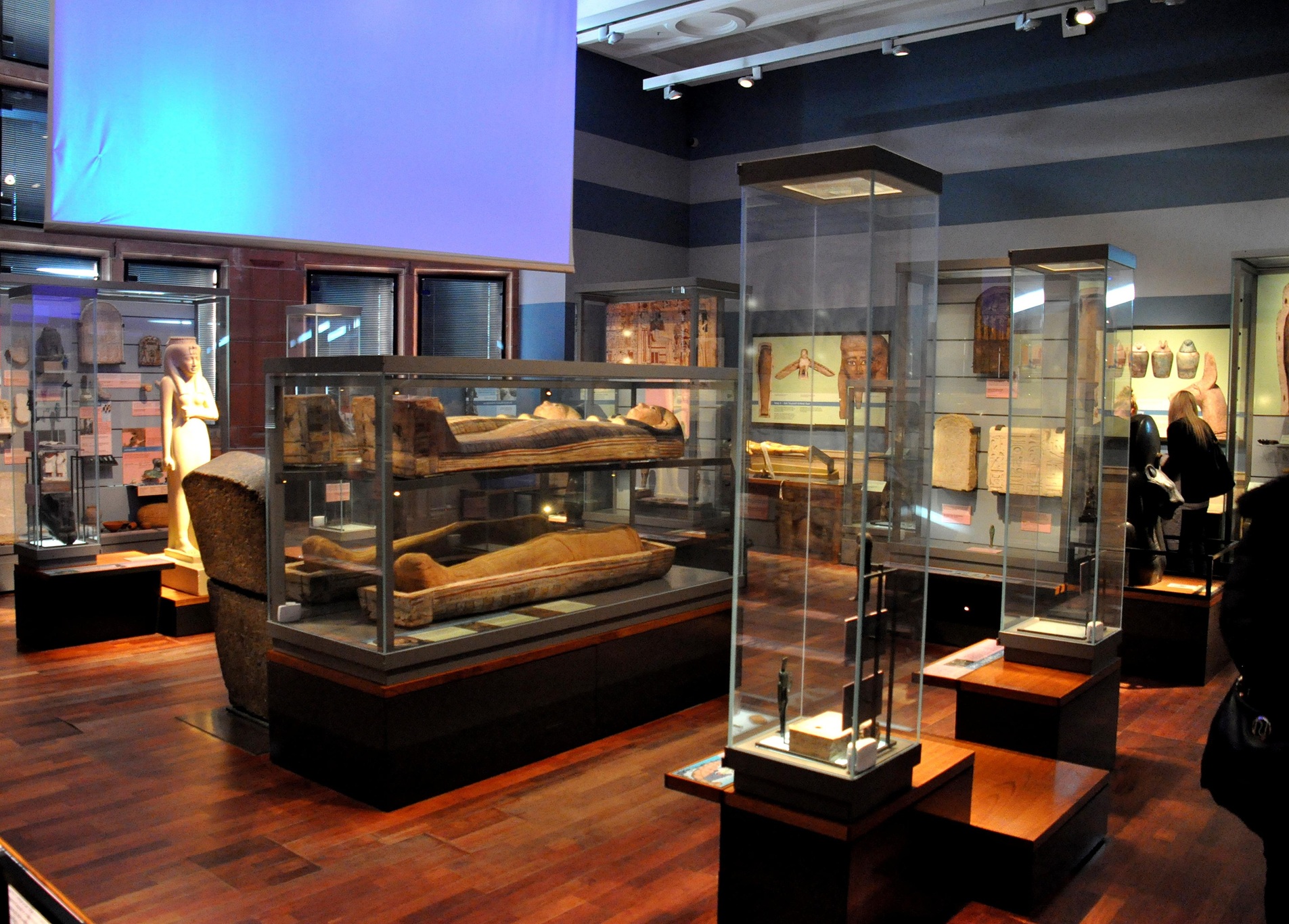
Add Texture to GoogleFor more than a century, the priest Nekht had lived in the hushed galleries of the Kelvingrove Art Gallery and Museum. Arriving in Glasgow in 1923, this dignitary of the Middle Kingdom—whose life is estimated to have spanned the period between 1985 and 1797 B.C.—had become one of the central figures in the section dedicated to ancient Egypt. Seated in his painted wooden coffin, he offered visitors a firsthand glimpse into the funeral rites of Beni Hassan, a site in Middle Egypt where he was exhumed in the early 20th century. However, at the end of October 2026, the display case housing him was emptied. This removal, far from being a mere curatorial decision, marks a major turning point in the ethical management of human remains within Scottish cultural institutions.
Human Dignity in the Public Eye
Glasgow Life, the organization that manages museums on behalf of the city, justifies this decision by citing a profound shift in ethical standards. The removal of Nekht’s remains is based on a compelling argument: the lack of informed and documented consent from the individual or his descendants to be displayed for all to see. This approach now views the deceased not as an archaeological artifact, but as a human being whose dignity must be preserved, even four millennia after their death.
This measure is part of an internal policy currently being finalized—the draft Human Remains Policy—whose guidelines align with recent revisions to the Code of Ethics of the International Council of Museums (ICOM). In June 2026, this global body strengthened its recommendations regarding respect for the inherent dignity of human remains. While ICOM does not require exhibition halls to be systematically cleared, it gives institutions the freedom to interpret these principles to meet contemporary ethical standards. In Glasgow, this interpretation led to the immediate removal of the remains from public view.
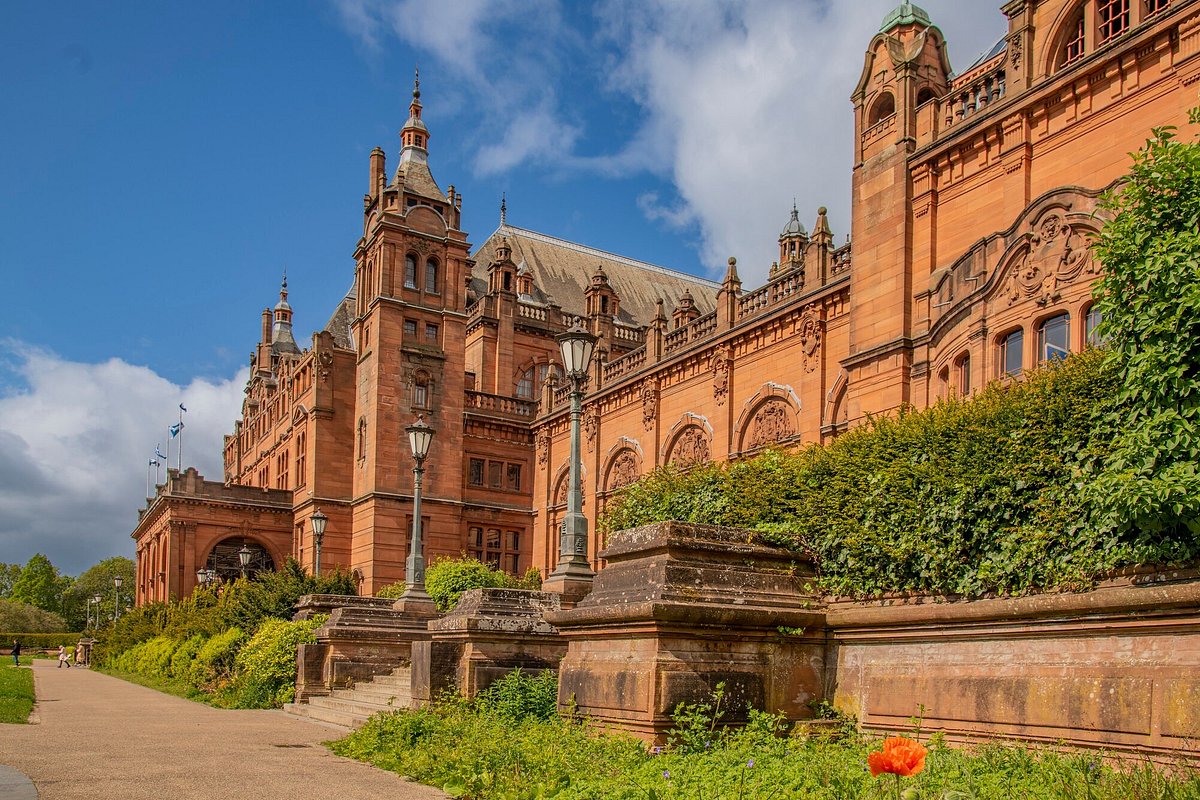
Nekht is not the only one to have stepped out of the spotlight. At Kelvingrove, a mummified human head, along with a foot and a hand from the Valley of the Kings in Luxor, have also been removed. The movement extends beyond the boundaries of Egyptology: skulls and bones from a child and an adult dating to the Bronze Age, previously on display in the galleries dedicated to Scotland’s ancient history, have been moved to the secure storage facilities at the Glasgow Museums Resource Center (GMRC). This conservation center, with strictly restricted access, is now the new sanctuary for these archaeological remains.
A Request for Diplomatic Repatriation
Just a few days after their physical removal, the case took on an international dimension. In early November 2026, Glasgow Life confirmed receipt of a formal repatriation request for the remains of the priest Nekht. While the municipal agency remained tight-lipped about the exact identity of the requester in its initial communications, Egyptian authorities quickly clarified the situation. Egypt’s Minister of Tourism and Antiquities, Sherif Fathy, confirmed that official steps were being taken to arrange for the remains to be returned to their country of origin.
This request comes at a time when Egypt is stepping up its claims against foreign institutions. The country is preparing to inaugurate the Grand Egyptian Museum (GEM), a colossal project located near Cairo, with an estimated cost of approximately one billion dollars. This new venue is intended to centralize the treasures of Pharaonic history, thereby strengthening the legitimacy of requests for the return of artifacts currently held outside Egypt’s borders.
It is crucial to note, however, that the removal of Nekht from the display cases in Glasgow is not a direct result of this Egyptian request. The decision to cease public display was made independently by Scottish curators, for internal ethical reasons, before the repatriation request was even made. The link between the end of the exhibition and the return to Egypt is therefore not an automatic obligation, but rather two distinct processes that now converge on the same question regarding the fate of these artifacts.
A Debate Between Modern Ethics and Anachronism
This new museum policy is not universally accepted and has drawn sharp criticism within Scotland’s educational and political circles. Voices are being raised to denounce what they describe as a blatant anachronism: requiring “consent” from individuals who lived during the Middle Kingdom seems, to some observers, to be an absurd application of current legal standards to ancient history. Concerns about setting a legal precedent have also been raised, with some fearing that this line of reasoning could extend in the future to religious relics or other historical remains preserved on British soil.
Other institutions in Glasgow are taking a more nuanced approach. At the Hunterian Museum, part of the University of Glasgow, the mummy of Lady Shep-en-hor is being treated differently. Rather than removing it from view entirely, the museum has chosen to cover her body with a special fabric, custom-made to respect her modesty and dignity, while leaving the sarcophagus visible to visitors. This middle-ground solution illustrates the diversity of responses curators have offered to this complex ethical dilemma.
The final fate of the priest Nekht now lies in the hands of the city administration. The case must be submitted to the City of Glasgow’s Working Group for Repatriation, Restitution, and Spoliation. This working group will evaluate the request on a case-by-case basis, weighing historical, ethical, and diplomatic arguments, before submitting a recommendation for a final vote by the Glasgow City Council. To date, no repatriation agreement has been finalized, and the priest remains, in the meantime, in the silence of the storage areas at the Kelvingrove Art Gallery and Museum.