Make Texture a preferred source on Google to support us
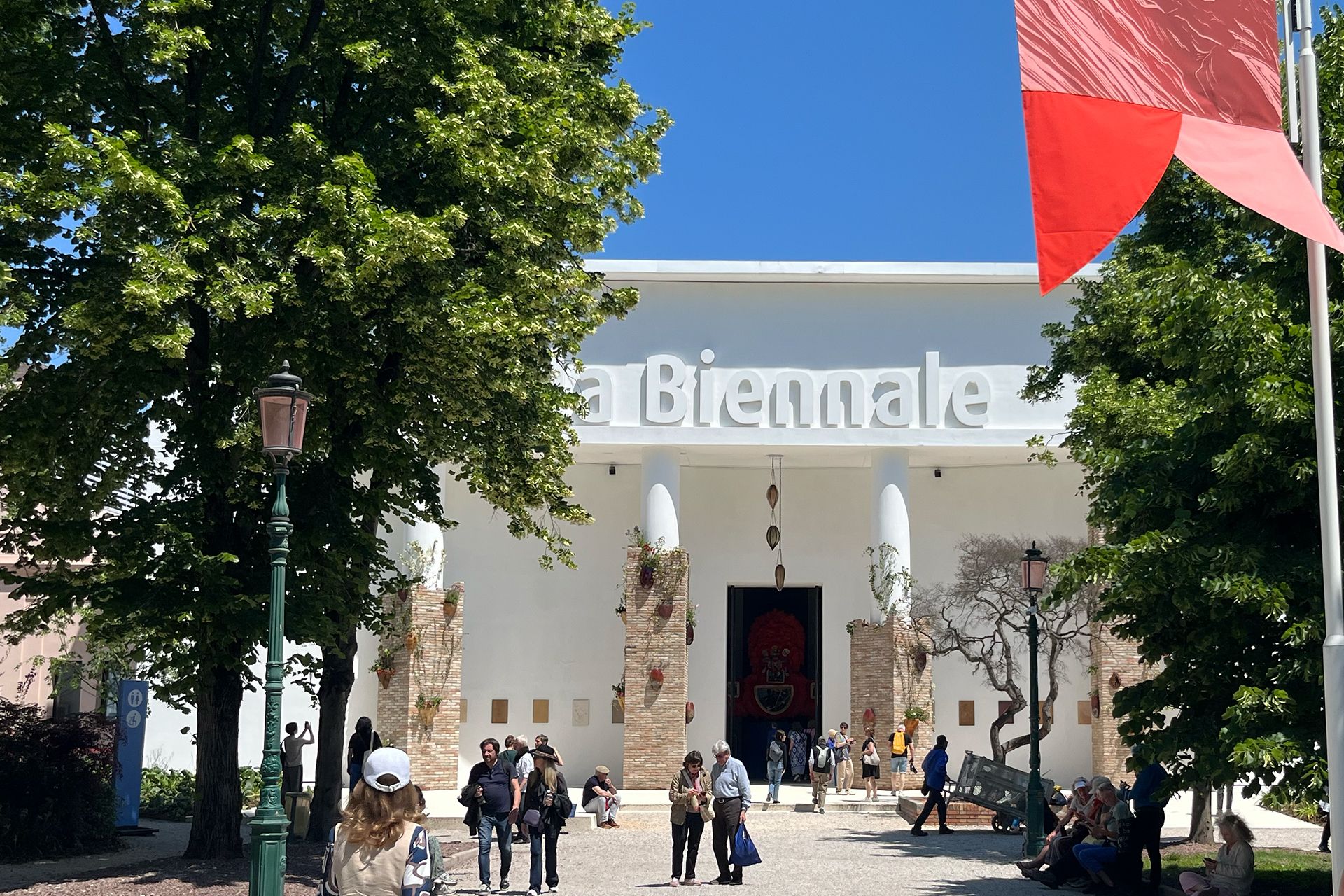
Add Texture to GoogleIn the alleys of the Giardini, the usual buzz surrounding the opening of the 61st International Art Exhibition gave way, in May 2026, to an atmosphere of dissent. The Venice Biennale, a centuries-old institution accustomed to aesthetic debates, is facing an unprecedented crisis of legitimacy. The sudden withdrawal of the international jury, followed by the cancellation of the prestigious Golden and Silver Lions, forced the presidency to take an unprecedented step: entrusting the selection of winners to the public. This shift toward a form of direct democracy, embodied by the “Visitors’ Lions,” has transformed the lagoon into a political testing ground where the value of a work is now measured by the number of clicks—much to the chagrin of part of the global art scene.
The Collapse of Critical Authority
The upheaval began on April 30, 2026, just a few days before the official opening. The five members of the international jury, initially appointed by curator Koyo Kouoh—whose project *In Minor Keys* was completed by her team after her death in May 2025—resigned en masse. This radical gesture was a response to a directive from the institution. The jury sought to exclude from the awards any state subject to warrants or charges of crimes against humanity before the International Criminal Court, a position directly targeting the pavilions of Israel and Russia, whose presence has sparked protests since the opening week.
Faced with this impasse, Pietrangelo Buttafuoco, president of the Biennale, maintained a strict neutral stance, invoking an “artistic truce” and a refusal to accept censorship. With no jury to award the traditional prizes, the organization had to improvise. The Golden Lions for Lifetime Achievement, which Koyo Kouoh had not had time to select, remained vacant. To save face and maintain public interest until the scheduled closing on November 22, 2026, the Biennale introduced the “Visitors’ Lions.” Two prizes are now up for grabs: one for the best participant in the international exhibition *In Minor Keys* and one for the best national participation.
A Digital Vote Under Close Scrutiny
To prevent abuses resulting from a simple online vote open to internet users worldwide, the Biennale has implemented a rigorous technical protocol. Voting rights are strictly reserved for holders of a valid ticket. Most importantly, the electronic ticketing system verifies that the voter has actually visited the two main venues: the Giardini and the Arsenale. According to the organization, this digital traceability ensures that the vote stems from a physical experience of the artworks. The rules, available in the official voting procedures, stipulate that a single voting session is sufficient to select the winners, with artist collectives counted as a single entity.
However, this attempt at methodological rigor has not silenced critics. Many observers are concerned about the shift toward a popularity contest. Whereas a jury of experts—composed of historians and curators—provided historical and critical perspective, the popular vote is seen as vulnerable to influence campaigns. The risk of “electoral lobbying”—coordinated by governments or national pavilions to mobilize their networks and manipulate the digital vote—is at the center of the debate. What some are already calling the Venetian “Get Out the Vote” campaign could transform artistic recognition into a tool of geopolitical soft power.

The Revolt of the “Ghost Artists”
The protest is not merely theoretical; it is driven by the artists themselves. As early as May 9, 2026, an initial public statement announced the withdrawal of 52 participants from the In Minor Keys exhibition in solidarity with the resigning jury. This movement gained considerable momentum as summer approached. More than 100 signatures were collected, including 63 artists or collectives from the main exhibition and representatives from 39 national pavilions. Among them are major figures on the international scene such as Laurie Anderson, Alfredo Jaar, Otobong Nkanga, Walid Raad, Zoe Leonard, Pio Abad, Nolan Oswald Dennis, Tabita Rezaire, and Tuan Andrew Nguyen.
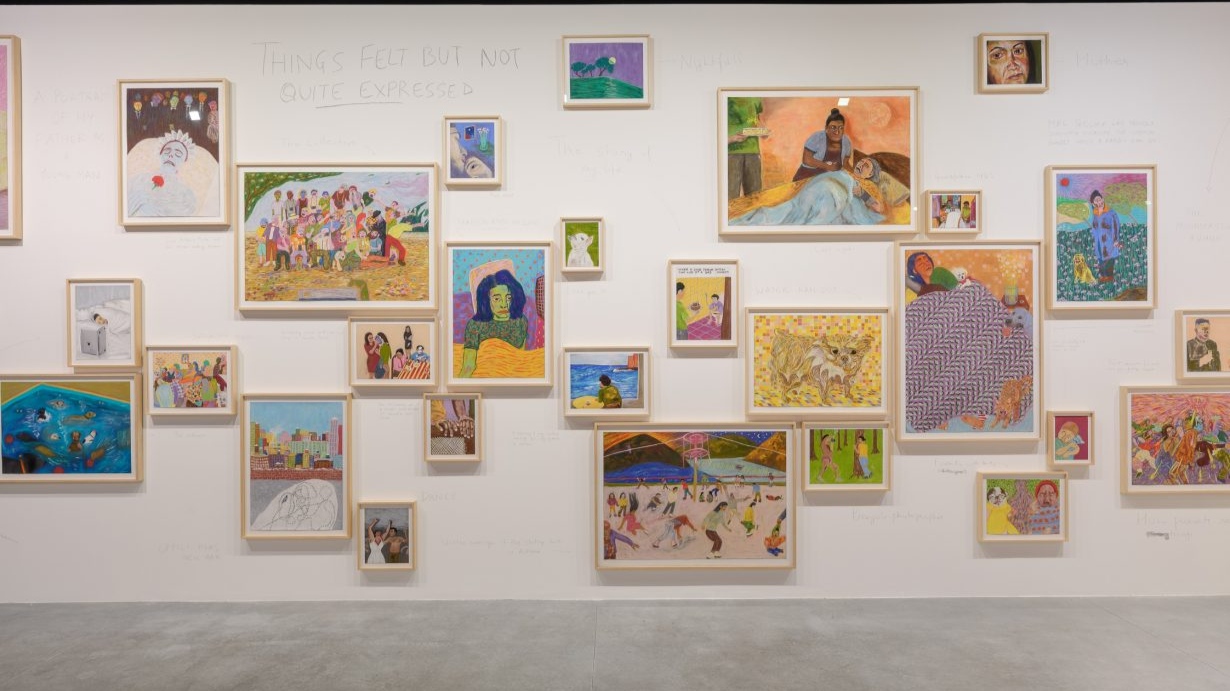
These artists are demanding the immediate removal of their names from the digital ballots. They denounce a deceptive process that encourages visitors to vote for candidates who no longer wish to compete. The threat of legal action was raised on June 3, 2026, with the signatories condemning a lack of transparency and a failure to respect their explicit wishes. The Biennale’s response, issued in late May, further hardened positions: the institution refuses to modify the voting interface, arguing that it must “guarantee freedom of expression for all visitors.” In an attempt to defuse the situation, the organization clarified that votes cast for artists who had requested their withdrawal would simply not be counted in the final tally.
A List of Winners of Uncertain Value
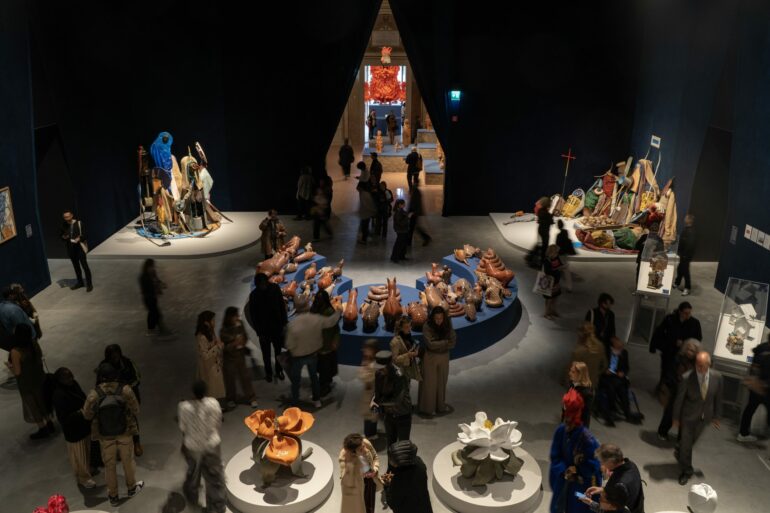
Keeping the names on the voting lists creates an absurd situation in which the public is voting for phantoms. This exclusion of a major portion of the competition’s exhibitors automatically weakens the symbolic significance of the future awards. What will a Visitors’ Lion be worth if awarded in a category from which the most influential artists have withdrawn? For art critics, this 61st edition marks a turning point. The exhibition *In Minor Keys*, conceived to explore subtle tones and marginal narratives, finds itself paradoxically caught up in the upheaval of a clash between institutional authority and individual ethics.
The outcome of this battle of numbers and images will be decided on Sunday, November 22, 2026, the closing day of the 61st International Exhibition. The traditional awards ceremony, which is usually held amid the euphoria of opening week, has been moved to this final date. This change in schedule underscores the experimental and uncertain nature of this edition. In the meantime, visitors continue to scan their tickets at the entrance to the Arsenale, having unwittingly become the judges of a competition whose main players have already left the arena.