
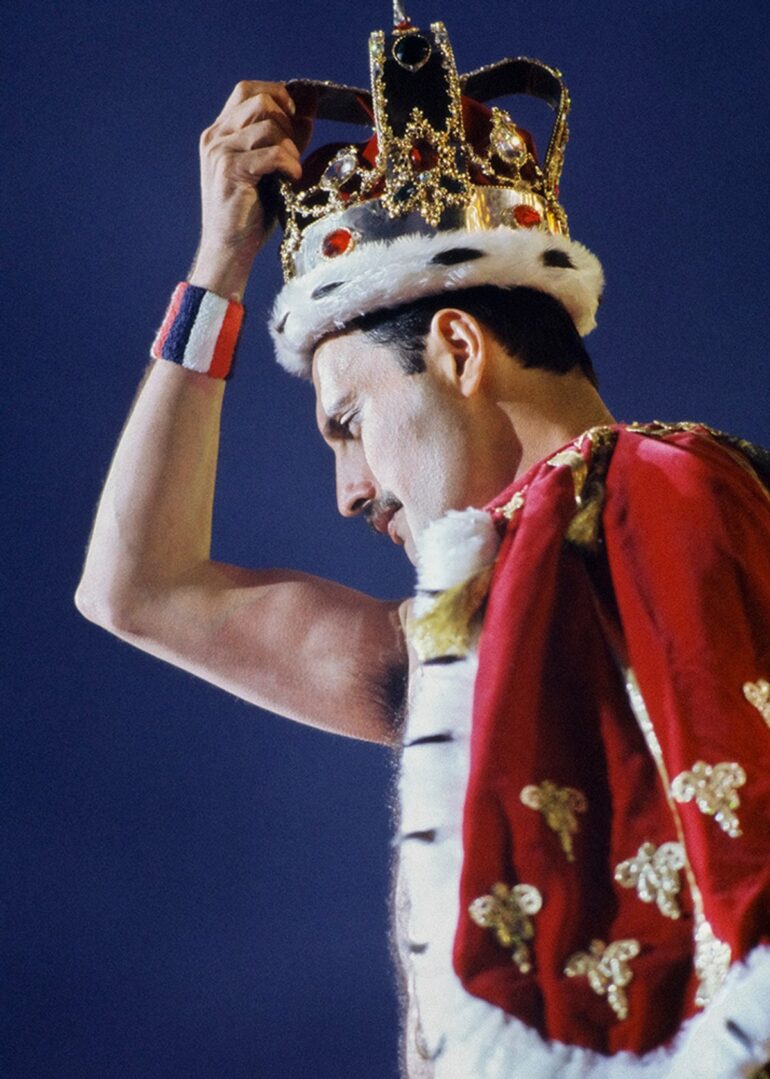
The Stage Wardrobe as an Archive of the Spectacular
The silence of the South Kensington galleries is about to break with the usual solemnity of museum institutions. In the corridors of the Victoria and Albert Museum, attention is now focused on a tightly curated, almost surgical selection of textile pieces that once shone under the spotlights of stadiums around the world. Eight pieces—and not a single one more—form the backbone of an exhibition soberly titled *Splendid Things*. This choice of a limited collection is striking in its precision: it is not an exhaustive retrospective, but a deep dive into the personal world of Queen’s frontman.
Displaying a stage costume is like freezing a moment in time, capturing the energy of a performance that, by definition, belongs to the past. At the museum in South Kensington, these garments cease to be mere work accessories and become objects of study and contemplation. The texture of the fabrics, the imperceptible wear on the seams, and the brilliance of the embellishments tell a story of physical presence that video recordings sometimes struggle to convey. By highlighting eight specific pieces, the exhibition offers a fragmented yet intense exploration of a career built on visual audacity.
The Aesthetics of the Rare Object Under the Title “Splendid Things”
The title chosen for this spotlight exhibition, “Splendid Things,” resonates as a promise of preciousness. It evokes a kind of modern cabinet of curiosities where visitors come not to admire sacred relics, but artifacts of popular culture elevated to the status of national heritage. Admission to this section of the museum is free—a commitment to free access that deserves to be highlighted. By opening access to this collection without financial barriers, the institution shifts the paradigm: splendor is no longer the exclusive domain of an elite or private collectors; it becomes a shared asset, accessible to passersby and enthusiasts alike.
This free admission radically changes the relationship to the artwork. Visitors aren’t coming to consume an attraction; they’re engaging with elements that defined an era. The eight selected costumes serve as markers of time. Each piece encapsulates the evolution of Queen’s frontman’s style, moving from the exuberance of the early years to more structured, almost athletic cuts that marked the end of his stage presence. The curators’ work appears to have focused on each garment’s ability to stand on its own, apart from the music, like a sculpture made of fabric and leather.
A Geography of Luxury and History in South Kensington
The choice of the South Kensington neighborhood to host these “Splendid Things” is no accident. This part of London, a true epicenter of design and the applied arts, provides a setting worthy of Freddie Mercury’s aesthetic standards. In this area, where the most prestigious fashion schools and historic textile collections coexist, the eight costumes resonate in a special way. They follow in the footsteps of designers who have transformed clothing into a political and social language.
The installation allows visitors to examine the construction of these pieces up close. At times, one discovers unexpected technical ingenuity: hidden zippers to facilitate quick changes backstage, materials chosen for their resistance to sweat and the heat of the spotlights, and cuts designed to allow complete freedom of movement. This artisanal aspect is often overshadowed by the charisma of the wearer. By displaying them on static mannequins, the museum pays tribute to the anonymous hands that cut, sewed, and tailored these exceptional pieces.
Staging Absence
There is a certain melancholy inherent in exhibiting empty garments. The eight ensembles on display in South Kensington underscore, through their very emptiness, the absence of the body they once enveloped. Yet the power of this exhibition lies in its ability to bring the person back to life through the fabric. The patina of time on the leather, the lingering sparkle of the sequins, or the stiffness of a military jacket instantly evoke a gesture, a posture, or the way the head was held.

The exhibition avoids the trap of facile nostalgia to focus on visual impact. The economy of means—just eight pieces—forces the viewer to linger on the details. One then notices the finesse of the embroidery, the bold choice of color contrasts, and this unique ability to blend masculine and feminine codes without ever losing an ounce of power. This is where the true nature of these objects lies: they are not mere garments, but the components of a suit of armor made of light, designed to face crowds of tens of thousands of people.
The Impact of Free Admission on Cultural Democratization
The announcement that this specific section of the South Kensington museum will be free of charge sends a strong message to the public. At a time when access to major international exhibitions is often limited by prohibitive admission fees, allowing visitors to discover these eight costumes without paying an entrance fee is a gesture of openness. This encourages spontaneous visits and fosters an unexpected dialogue between a visitor who has come to admire the permanent collections and these “Splendid Things” that suddenly appear along their path.
This strategy of accessibility strengthens the bond between the museum and city life. Freddie Mercury was not just a global star; he was a figure deeply rooted in London’s culture. Seeing his costumes on display for free just a stone’s throw from the places where he once lived and created lends the event a warm, local feel. It moves away from media hype to return to what matters most: sharing a creative legacy with as many people as possible.
The Enduring Legacy of Textiles
Beyond the fascination with celebrity, the exhibition raises the question of preserving the textile heritage associated with the performing arts. By hosting these eight pieces, the South Kensington museum affirms the historical significance of rock costumes. These objects are now treated with the same scientific rigor as 17th-century tapestries or haute couture gowns. Controlled lighting, monitored humidity levels, and custom-made display cases ensure that these artifacts of popular culture will survive for decades to come.
“Splendid Things” does more than simply display relics; the exhibition explores our own relationship with imagery and self-representation. These costumes were the tools of a man who, long before the age of social media, understood the vital importance of visual symbols. Each garment was a statement of intent, an aesthetic manifesto proclaimed to the world. Upon leaving the exhibition, visitors take with them this lesson in confidence and pure creativity, encapsulated in a few meters of fabric on display beneath London’s glass roofs.