Make Texture a preferred source on Google to support us
Add Texture to GoogleSince the fall of 2022, Charlotte Higgins has been traveling throughout Ukraine, from the intellectual vibrancy of Lviv to the devastated landscapes of Bakhmut. What began as a trip to cover a literary festival has turned into a field investigation lasting nearly three years. A cultural specialist and expert on Greco-Roman antiquity, she offers in *Ukrainian Lessons: Art in a Time of War, an analysis of how contemporary art—poetry, visual arts, and film—seizes upon chaos to forge the country’s historical memory in the face of the Russian invasion.
The book, published by Jonathan Cape, an imprint of Penguin Books, draws on the author’s linguistic and geographical immersion. To grasp the nuances of a society undergoing a profound shift in identity, the author learned Ukrainian during her assignments. In it, she documents a clear break with Russian imperial culture, observing how many artists are abandoning their native language, Russian, in favor of Ukrainian—a political and deeply personal act of self-reappropriation.
The Artist as a Tragic Witness
At the heart of the narrative stands a gallery of portraits marked by loss. Charlotte Higgins recounts the shattered fates of major figures in the cultural scene. The novelist Victoria Amelina, killed by a missile in Kramatorsk in 2023, and the writer Volodymyr Vakoulenko, murdered during the occupation of the Izium region, embody this sacrificed generation. More recently, in 2025, visual artist Marharyta Polovinko was killed in action while serving as a drone operator. Her war drawings, created with her own blood, constitute one of the most radical records of this conflict documented in the book.
The author draws on her classical training to put these life stories into perspective. She invokes the mythological figure of Cassandra and draws parallels with British writings from World War II or the visions of horror by Francisco de Goya and Otto Dix. This approach goes beyond mere reporting to place Ukrainian resistance within a universal aesthetic and philosophical tradition. Art does not merely illustrate war; it defines its moral contours for centuries to come.
A Cartography of Visual Resistance
The investigation also leads to encounters with living artists who continue to create amidst the rubble. Pavlo Makov, an engraver and Ukraine’s representative at the 2022 Venice Biennale; the video artist duo Daniil Revkovskyi and Andrii Rachynskyi; and visual artist Anna Zvyagintseva are at the center of this study. Zvyagintseva, in particular, made a lasting impression with her textile work *Sustainable Costume for an Invader*, a piece that explores the materiality of conflict.
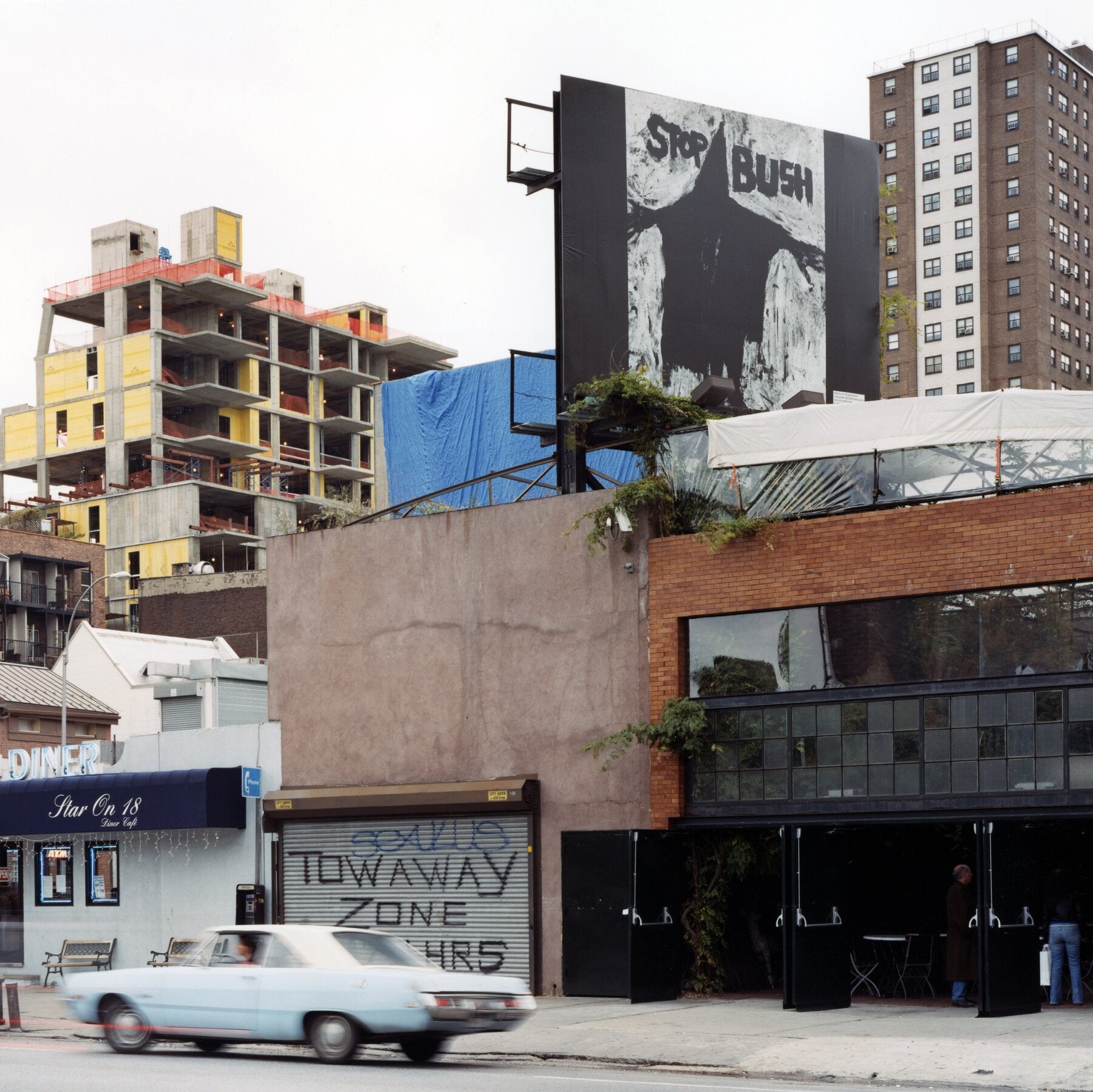
The book explores the reflections of poet Halyna Kruk, writer Serhiy Jadan, and critical voices such as Kateryna Iakovlenko and Sasha Dovzhyk. These exchanges highlight an unprecedented effort at documentation, in which the act of creation becomes an act of collective survival. Higgins emphasizes that this body of artistic work, through its urgency and diversity, will form the foundation of future national memory, long before historians take up the subject.
The Deliberate Erasure of Heritage
A significant part of the investigation concerns the systematic attacks on cultural heritage. Russian missile and drone strikes are not presented as collateral damage, but as an attempt to erase Ukrainian identity. Charlotte Higgins visited the National Art Museum of Ukraine, the National Chernobyl Museum in Kyiv, as well as numerous libraries and state archives targeted by the bombings.
There, she describes the quiet heroism of civilian staff and volunteers who organized themselves to evacuate and safeguard the national collections. This rescue of works of art, carried out under constant threat, echoes the book’s central thesis: culture is the ultimate front line in this war. By preserving a painting or an archive, these citizens are defending their nation’s historical continuity.
A must-read for 2026
Selected for the longlist of the 2026 Baillie Gifford Prize for Non-Fiction, the 272-page book—though some distribution catalogs list it as having up to 320 pages—also stands out for its aesthetic design. The cover was designed by Kyiv-based illustrator Serhiy Maïdoukov, whose incisive style regularly accompanies accounts of the Ukrainian resistance. The writing of the book was supported by a grant from INDEX: Institute for Documentation and Exchange.
Published in the United Kingdom on August 20, 2026, at a price of £22.00 (approximately €30.50 when imported into the eurozone), *Ukrainian Lessons: Art in a Time of War is expected to be translated into Ukrainian by May 2027, according to the author’s current projections. Far from being an exhaustive catalog of contemporary art, this volume stands as a testimonial essay, shaped by direct encounters and an extended presence in the field. It offers a vital gateway to understanding how a people, at a time when their very existence is threatened, choose to respond through the power of words and images.