
Make Texture a preferred source on Google to support us
Add Texture to GoogleGuadalajara sets a unique pace on the global contemporary art scene. Far from the usual hustle and bustle of global metropolises, the capital of the state of Jalisco fosters an approach where intimacy takes precedence over grandeur. From September 21 to 27, 2026, the city hosted the fifth edition of its Art Week, an event whose structure reflects a growing maturity. Although the city already hosts an event early in the year—the Art Weekend GDL, traditionally held ahead of the Zona Maco art fair in Mexico City—this late-September session has now established itself as an independent draw, driven by a renewed institutional ambition.
An Open-Concept Layout at Plataforma
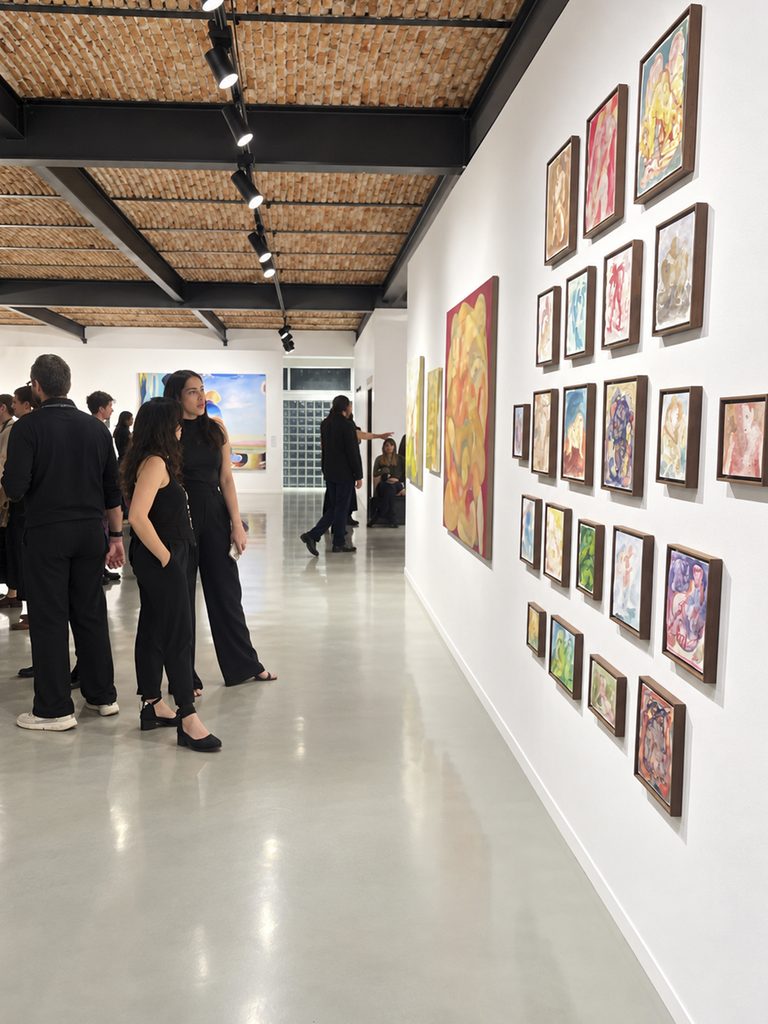
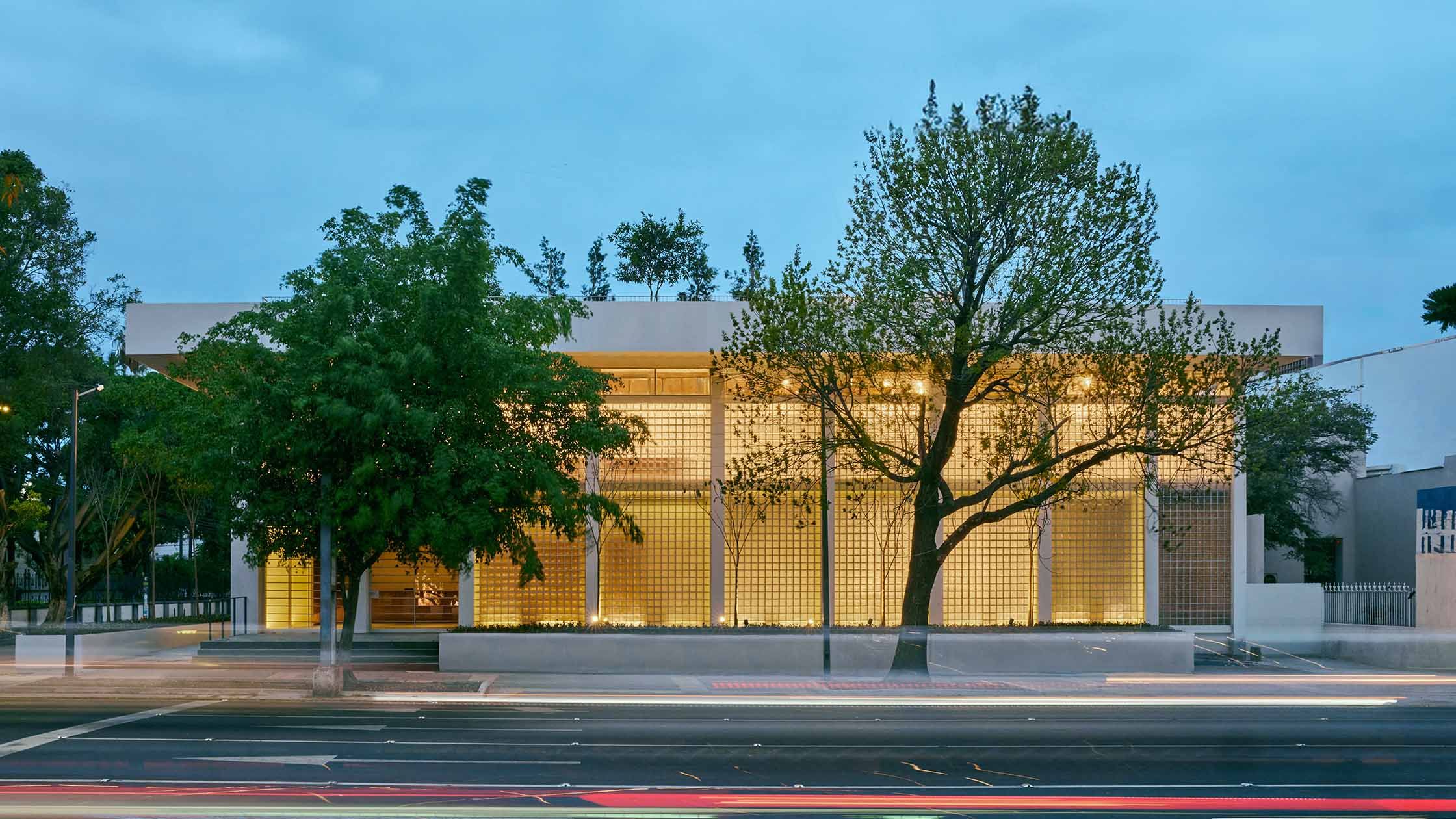
The nerve center of this edition is located at 1246 Avenida Ignacio L. Vallarta, in the Colonia Americana neighborhood. This is where Estación Material, the local “boutique” version of Mexico City’s Material art fair, has set up shop. The event occupies the spaces of Plataforma Arte Contemporáneo, a nonprofit community-based organization whose architecture bears traces of its former use as a funeral home. This move, which took place starting with the third edition in 2024, marks a transition from the first two years, when the fair was held on the grounds of the Cerámica Suro workshops, under the direction of collector José Noé Suro.
Under the direction of Brett Schultz, co-founder of the project, Estación Material Vol. 5 has adopted a continuous exhibition format. Spread across two levels, the usual partitions and enclosed booths have been replaced by a fluid layout that encourages free movement. This layout fosters a direct dialogue between the works from 18 galleries and independent spaces, primarily from Mexico City and Guadalajara. In total, more than 150 pieces by some 60 artists and collectives were presented in this shared environment.
The Emergence of a Novel Acquisition Model
The year 2026 marks a structural turning point for the fair with the establishment of a local host committee and, most importantly, the launch of Mexico’s first institutional acquisitions committee. This initiative is inspired by the Argentine model of Arteba, where private collectors join forces to co-fund the acquisition of works for public collections. This initiative has attracted leading institutions, such as the Fundación Museo Reina Sofía in Madrid, represented by Amanda de la Garza, and the Saint Louis Art Museum (SLAM) in the United States.
International interest in the Guadalajara art scene was also evident through the presence of high-profile professional delegations. Curatorial groups from the Biennial of the Americas, who traveled from Denver under the leadership of FloraJane DiRienzo, as well as from the Museum of Fine Arts in Houston, led by Mari Carmen Ramírez, toured the city. This engagement goes beyond a purely commercial framework and is part of a long-term process of curatorial recognition.
Gallery Trends and Regional Roots
This year’s art scene reflects a balance between the capital’s major players and local artists. Guadalajara-based galleries such as CURRO, Palma, guadalajara90210, and Travesía Cuatro shared the spotlight with Mexico City galleries including PEANA, Pequod Co., Galería Karen Huber, and Saenger Galería. The Proyectos program, for its part, highlighted initiatives from more remote urban centers, such as Un Dique in Ciudad Juárez and Proyectos Espectra in Mérida, thereby offering visibility to emerging art scenes across Mexico’s provinces.

In terms of sales, the results were mixed but encouraging. The Palma Gallery confirmed the sale of three-quarters of the works presented in Julieta Beltrán’s solo exhibition, while guadalajara90210 recorded multiple sales. This business climate—although the overall volume has not been made public by the organization—highlights a definite responsiveness among collectors present during the VIP opening on September 24.
An Urban Reach, from Colonia Americana to Zapopan
Beyond the main fairgrounds, Art Week extended to several iconic neighborhoods across the city. The Sala Roxy, a historic former movie theater and concert hall, hosted the Estudio ACME project, adding a heritage dimension to the artistic itinerary. The neighborhoods of Santa Teresita and the municipality of Zapopan also contributed to this buzz through a network of artists’ studios open to the public.
The main event remained accessible, with a general admission ticket priced at 200 MXN (approximately 9.20 €) for September 25–27. Reduced rates of 100 MXN for students and seniors, as well as a weekend pass for 500 MXN (approximately 23 €), rounded out the ticketing options. At the same time, a large portion of the municipal programming and studio visits remained free of charge, fostering a connection between the art market and the local cultural scene.
This fifth edition confirms that Guadalajara is no longer merely a satellite of Mexico City, but an ecosystem capable of generating its own mechanisms to support artistic creation, now attracting the attention of curators from Madrid and Houston within a framework that refuses to sacrifice its human scale in favor of mass attendance.