Make Texture a preferred source on Google to support us
Add Texture to GoogleJust as the walls of the prestigious Sean Kelly Gallery are set to host New York’s elite for the opening of its new exhibition, painter Kehinde Wiley finds himself at the center of a legal proceeding that is decidedly less glamorous. The 49-year-old American artist, world-famous for his portrait of Barack Obama, is the subject of a lawsuit filed in the New York State Supreme Court. His landlord is demanding payment of overdue rent and his immediate eviction from a luxurious apartment located in the Greenwich Village neighborhood.
A real estate dispute in the heart of Manhattan
The address reflects the artist’s status: 115 West 11th Street, in one of Manhattan’s most sought-after neighborhoods. Since September 2023, Kehinde Wiley has occupied a spacious residence there, featuring four bedrooms, four bathrooms, and two powder rooms. The contractual rent for this exceptional property is $18,000 per month, or approximately 17,100 euros at the current exchange rate.
According to documents filed by the real estate company 115 West 11th Street LLC on November 6, 2026, the artist’s lease officially expired on September 30 of this year. Although a renewal was signed in July 2025 to extend his tenancy through the fall of 2026, the landlord claims that Wiley is now occupying the premises without authorization. The complaint describes him as a holdover tenant who refuses to return the keys despite the lease’s expiration.
$36,000 and occupancy penalties
The financial aspect of the case currently involves a principal amount of $36,000. This amount corresponds to unpaid rent for the months of October and November 2026. However, the landlord does not intend to stop there: the lawsuit requires the payment of an additional $18,000 for each full month of occupancy until the apartment is vacated. Furthermore, the lease agreement stipulated a strict obligation to return the premises clean and in good condition, a point on which the plaintiff insists in his complaint.
A summons was served on the same day the complaint was filed, granting Kehinde Wiley’s legal counsel 20 days to file an official response with the New York County Court. As of mid-November, no answer had yet been filed with the court.

Scheduling Conflicts: Between Art Openings and Courtrooms
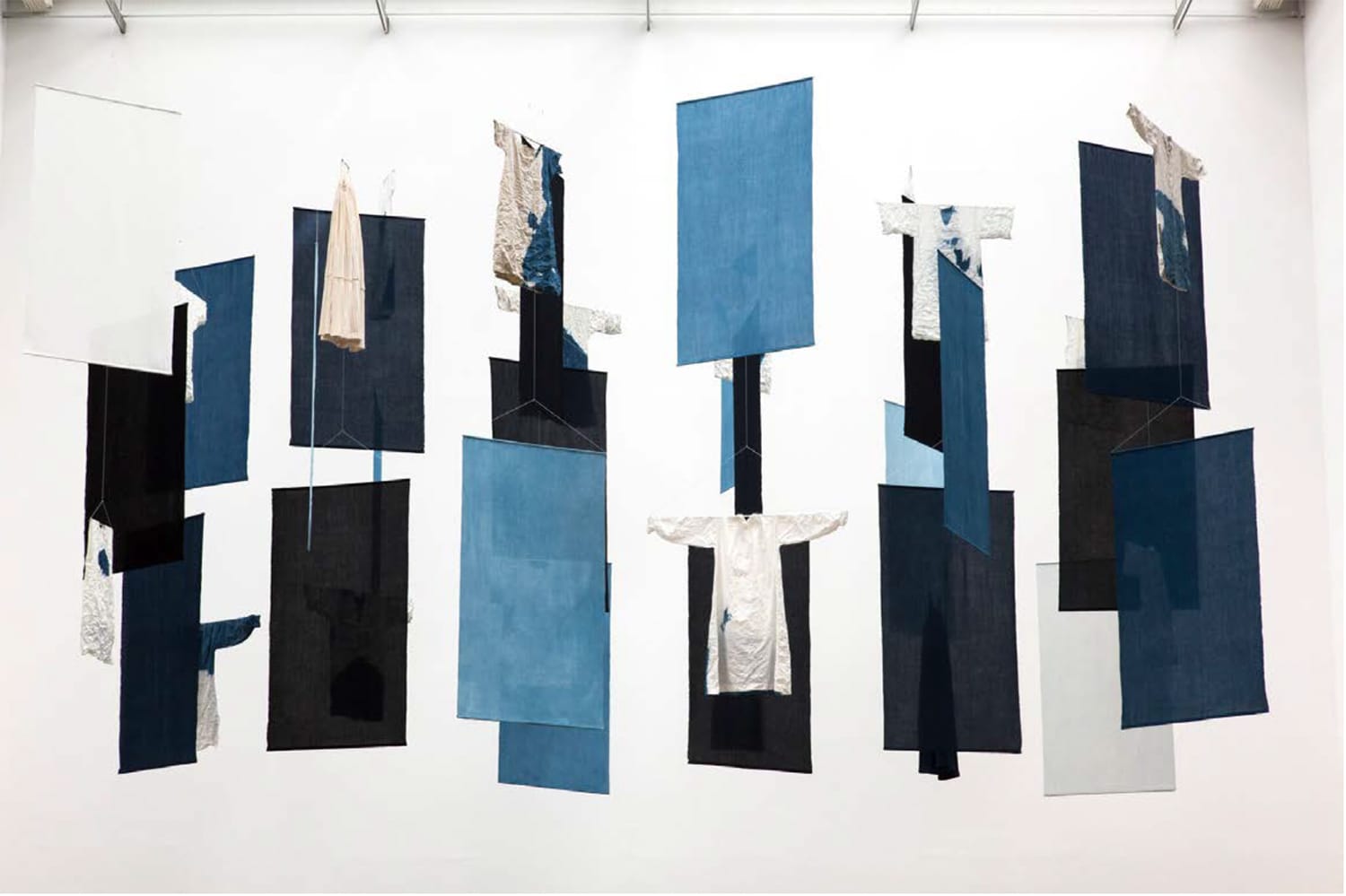
The timing of this legal action is unusual. The complaint was filed on November 6, 2026—precisely the day that “What the Light Becomes,” the artist’s new solo exhibition at the Sean Kelly Gallery, opened. Scheduled to run through December 23, this event marks Wiley’s return to the New York art scene, as his international influence continues to grow, particularly through his Black Rock Senegal artist residency.
When asked to clarify the situation, neither the artist, nor his attorneys, nor his gallery representatives wished to comment on the matter. On the ground in Greenwich Village, reports are sketchy. A housekeeper present at the residence simply stated that the painter is currently in upstate New York, with no known return date. While the artist’s inner circle is reportedly considering a move, no specific date has been set for vacating 115 West 11th Street.
Persistent Legal Pressure
This rental dispute adds to an already complex legal situation for the portrait artist. Since 2024, Kehinde Wiley has faced sexual assault allegations brought by five individuals (four men and one woman). While the artist has denied all of these allegations and no criminal charges have been filed against him, a civil lawsuit on the merits remains pending. It was filed by Ogechi Chieke under New York’s Adult Survivors Act.
For now, the real estate dispute remains strictly a civil matter. The court will have to determine whether the artist’s continued occupancy is indeed unlawful and whether the amounts claimed are due. The financial outcome could vary depending on the artist’s actual move-out date and any claims he might raise against his landlord. In the meantime, the contrast remains striking between the regal aesthetic of his paintings and the triviality of an imminent eviction in the heart of Manhattan.