Make Texture a preferred source on Google to support us
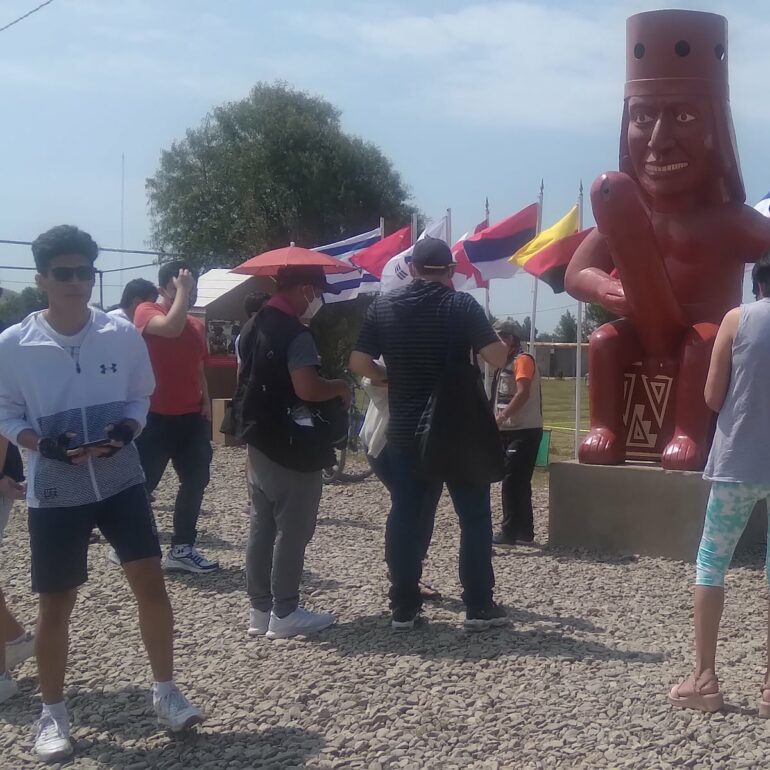
Add Texture to GoogleOn the coastal highway in northern Peru, where the desert meets the mud-brick ruins of vanished civilizations, a new kind of conflict is rocking the Moche district. At the heart of the controversy: the Parque de la Fertilidad, a public space that has become famous for its monumental replicas of “huacos eróticos.” These three-meter-tall sculptures, crafted from fiberglass and resin, replicate the disproportionately large genitalia found on pre-Columbian ceramics dating back more than 1,500 years. What began as a bold tourism development strategy has, in the fall of 2026, turned into a political and moral battle that questions the place of the sacred and the human body in urban space.
A Parliamentary Offensive in the Name of Modesty
The offensive came from the floors of Parliament. In late October 2026, Milagros Jáuregui, a conservative lawmaker and pastor affiliated with the Renovación Popular party, officially questioned the Minister of Culture, Alberto Beingolea. Her demand was unambiguous: the immediate removal of these giant effigies from public spaces and their transfer to enclosed areas or museums. For the senator, the display of these exaggerated anatomical representations poses a threat to the well-being of young people.
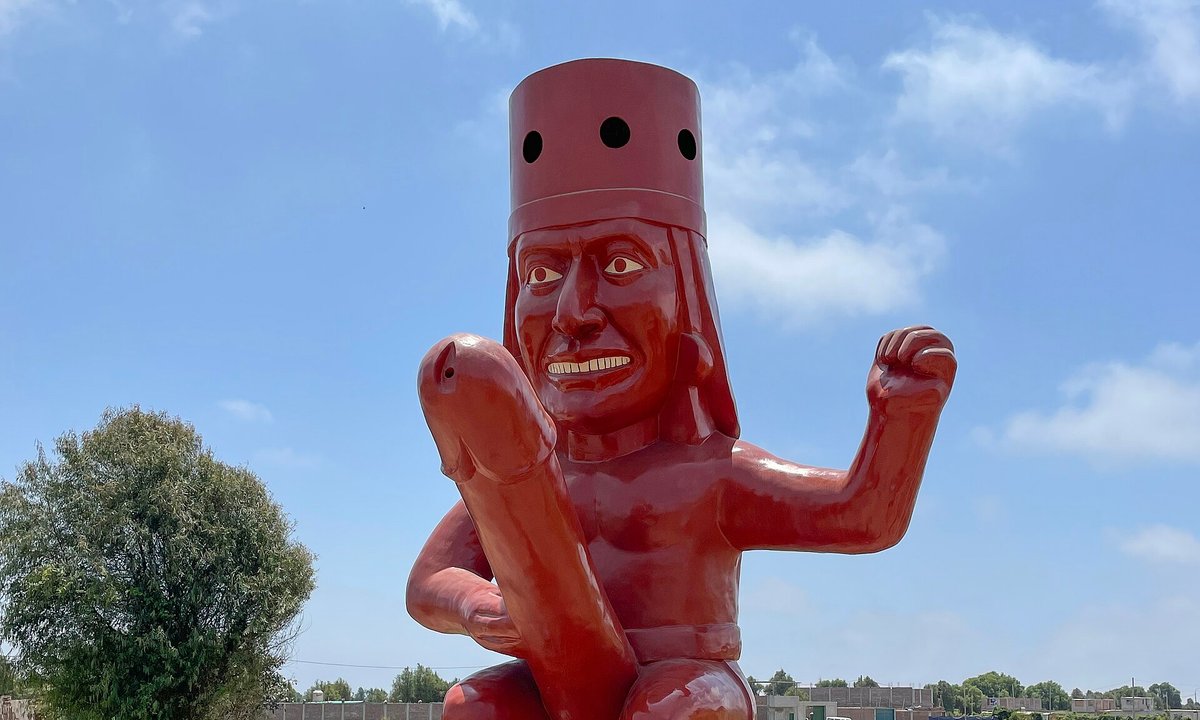
During a speech before a parliamentary committee on October 26, 2026, the senator argued that children aged 0 to 5 who see these statues could experience confusion, fear, or shame. These claims, which suggest neurological disorders or impaired mental health in children, are not, however, supported by any scientific or medical studies that have been made public to date. For now, the Ministry of Culture is taking a cautious approach: as of November 2026, no formal decision to remove or relocate the statues has been made, leaving the resin giants facing the Pacific winds.
From Funeral Rite to Regional Marketing
To understand the unease, we must go back to the origins of these installations. It was at the end of 2021, at the initiative of the former mayor of Moche, César Arturo Fernández Bazán, that these replicas rose from the ground. A gynecologist by training, the mayor saw these sculptures as a powerful economic tool to boost local tourism. The gamble paid off, drawing crowds to the road to Santa Rosa, despite a violent start. In January 2022, the first male statue was vandalized and set on fire, before being rebuilt with fire-resistant materials and joined by a female figure.

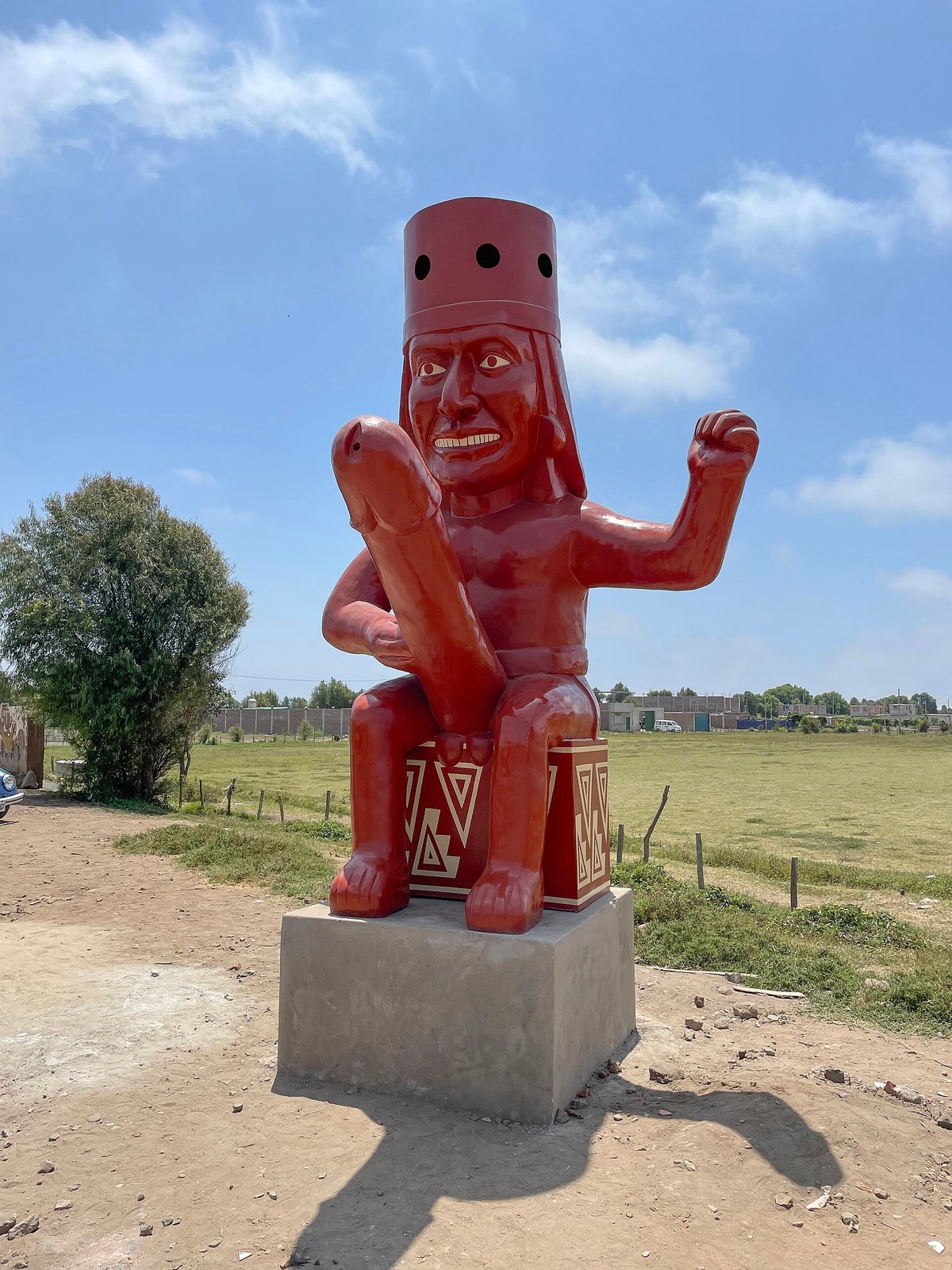
The paradox lies in the change in scale and function. The original “huacos eróticos,” created by the Moche (or Mochica) civilization between 100 and 800 CE, are modest terracotta vessels barely exceeding 15 to 30 centimeters in height. Long before the Inca Empire, these objects were placed in the tombs of the elite, such as those at Huaca de la Luna or Sipán. Far from being mere decorative items or objects of domestic entertainment, they served as ritual vessels symbolizing fertility, the regeneration of life, and the balance of cosmological forces.
Pre-Columbian Art in the Modern Context
The current debate highlights two visions of cultural heritage. On one hand, advocates for removal argue for a strict educational framework, believing that these images should be confined to museums where guides and warnings provide context for visitors. This is the model followed by the Museo Larco in Lima, whose famous Erotic Gallery (Galería Erótica Checán) offers a special guided tour for minors. In this sanctuary of Mochica culture, the authentic artifacts—whose value can reach €17,500 on the specialized auction market—are contextualized within their historical depth.
On the other hand, elected officials and advocacy groups denounce this as an attempt at moral censorship that seeks to render pre-Hispanic heritage invisible. Archaeologist Walter Alva highlights the complexity of the endeavor: transposing sacred funerary offerings into the triviality of a modern public park strips them of their original religious context. Nevertheless, he acknowledges the freedom to reinterpret ancient art. The question therefore remains open: Is the Parque de la Fertilidad an affront to childhood or a popular reappropriation—admittedly spectacular and kitschy—of a past that the centuries have tried to bury? While awaiting a response from the ministry, the Moche statues remain the stone-and-resin sentinels of a Peru that is still seeking a balance between its millennia-old roots and its contemporary sensibilities.