
The Tokyo Ice Ritual, or the Art of Taming Urban Humidity
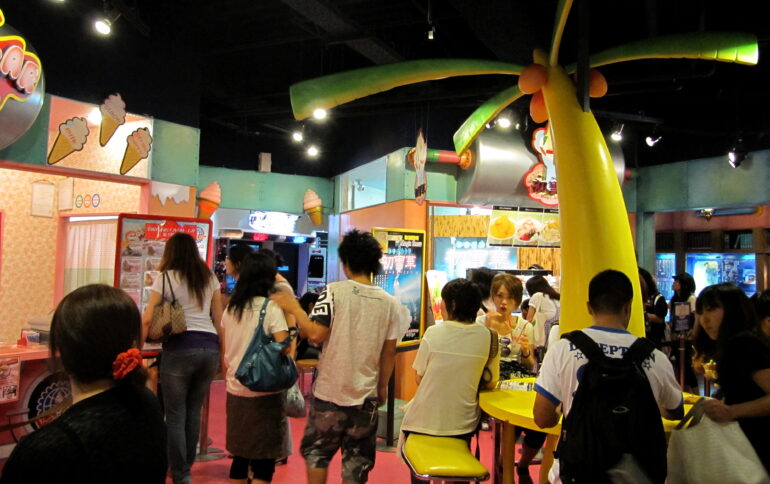
July in Tokyo isn’t something you can describe—it’s something you endure. As soon as the sun reaches its zenith above the skyscrapers of Shinjuku or the tree-lined paths of Yoyogi Park, a thick humidity—the infamous mushi-atsui—takes hold of the city. For Tokyoites and visitors alike, walking the streets of Harajuku becomes a test of endurance. In this stifling atmosphere, the quest for coolness transcends mere physiological need to become a true social phenomenon—a journey marked by sweet, icy rituals. Here, the answer to the heat wave lies not only in air conditioning, but in the meticulous precision of a bowl of shaved ice or the creaminess of an exceptional piece of fruit.
The sign of this summer respite is visual. All you have to do is look up to spot the kakigori flag fluttering in the wind in front of the stalls. This instantly recognizable banner, with its red and blue patterns surrounding the Japanese character for “ice,” marks the entrance to a refuge. Behind these flags lie time-honored establishments or modern kiosks where people come seeking much more than just a dessert: an essential respite from the heat.
The Democracy of the Freezer: The Empire of the Konbini
Before exploring the most hidden gems, you need to understand the almost organic relationship Tokyo has with its konbini. These 24-hour convenience stores—whether 7-Eleven, FamilyMart, or Lawson—are the first line of defense against the heat. With more than 55,000 locations across the archipelago, the konbini is an extension of the home refrigerator. In the summer, the frozen food aisle becomes the center of gravity in these stores.
To understand Japanese popular culture, one must take a closer look at these products that have been enjoyed by generations. Among them is the Choco Monaka Jumbo, an ice cream sandwich whose crispy wafer has been a hit since 1972. Alongside it, Yukimi Daifuku offers a unique textural experience, enveloping ice cream in a thin layer of chewy mochi. Those nostalgic for the 1980s turn to the Garigari-kun, a soda-flavored popsicle that has become a national icon, or to Morinaga’s Pino bites, often shared among friends. Pushing open the sliding door of a konbini and stepping out with an ice cream in hand is undoubtedly one of the simplest and most authentic pleasures of city life in Japan.
The Legacy of Shaved Ice in Sangenjaya
Just a stone’s throw from the hustle and bustle of downtown, the Sangenjaya neighborhood is home to a treasure of longevity. Kori Kobo Ishibashi, whose name translates to “the ice workshop,” offers a glimpse into the Tokyo of yesteryear. The shop has been serving local residents for over six decades, but it was about forty years ago that it began transforming blocks of ice into light, airy desserts served in glass bowls.
The decor, imbued with a delicate sense of nostalgia, revolves around a centerpiece: an antique kakigori machine, meticulously preserved. Kumiko Ishibashi, the owner, notes that it is likely one of the last surviving examples of its kind still in operation in the capital. Here, the preparation is a slow, deliberate process. Matcha, a staple of the menu, is ground on-site using a traditional stone mill, ensuring an aromatic intensity that industrial processes cannot match. For those who prefer milder flavors, blends featuring milk tea or cherry dominate summer orders, often topped with a drizzle of condensed milk to soften the bite of the cold.
Fruit as a Luxury Item in Shinjuku
To understand the place of fruit in Japanese gastronomy, a visit to Shinjuku Takano is a must. Founded in 1885, this institution opened its flagship store in 1921, establishing itself not merely as a fruit merchant, but as a true “house of haute couture” for produce. The layout of the store, in fact, resembles that of a luxury department store. The basement levels are dedicated to excellence: here you’ll find gift boxes where every peach or bunch of grapes is presented like a jewel, along with muscat grape jellies and apricot jams of rare purity.
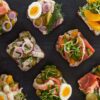
It is on the fifth floor, at the Takano Fruit Parlor, that the experience reaches its peak. In this sanctuary, seasonal fruit is the undisputed star. The summer menu showcases the Crown Melon—a variety whose reputation for extreme sweetness attracts connoisseurs from across the country—as well as Miyazaki mangoes. These fruits are served as towering parfaits, fresh juices, or in the famous “fruit sandos” (sandwiches made with white bread and cream). The precision of the cutting and the meticulous selection of each piece make these desserts a celebration of Japanese seasonality.
Classic Elegance and Jazz in Marunouchi
Near the Imperial Palace gardens, the atmosphere changes. At the Palace Hotel Tokyo, in the Marunouchi district, guests can beat the heat in a cozy setting. While the summer menu features sophisticated creations such as mango kakigori topped with coconut and yogurt, or peach parfaits, it’s for a more understated classic that regulars make their way across town: soft-serve ice cream.
The distinction here lies in the source of the ingredients. The milk comes exclusively from the Obuse dairy farm, located in Nagano Prefecture, renowned for the quality of its produce. Served with a delicate cookie, this ice cream has become the signature treat at the Palace Lounge. Come evening, as the temperature on the terrace finally drops slightly, the venue transforms to the sound of live jazz performances, offering a refined conclusion to sweltering days. It is here that the excellence of raw ingredients meets the Japanese art of living.
Daikanyama: A Collaborative Fresh Take
Finally, for a more relaxed and contemporary vibe, head to Daikanyama. The Flux Cafe offers a modern take on the neighborhood café. While the spot is known for its teishoku set menus at lunchtime, it transforms in the afternoon into a gathering place for fans of generously portioned kakigori.
What sets this place apart is its sourcing. In collaboration with Oishii Oto, a supplier based in Matsuyama, the café imports the finest products directly from Ehime Prefecture. This regional connection results in vibrant flavors: bright red strawberry milk, rich matcha, and even a decadent caramel-banana blend. The experience is meant to be shared. The bowls are designed to be shared, and everyone can customize their mountain of shaved ice by adding kinako (roasted soybean flour), azuki beans, or mochi. This convivial atmosphere, so characteristic of the Daikanyama spirit, reminds us that when it comes to Tokyo summers, the best strategy is still to gather around a table, spoon in hand, and wait for the sun to finally disappear behind the Shibuya skyline.