
Digital Product Passport: Toward a New Paradigm of Transparency in the Luxury Industry
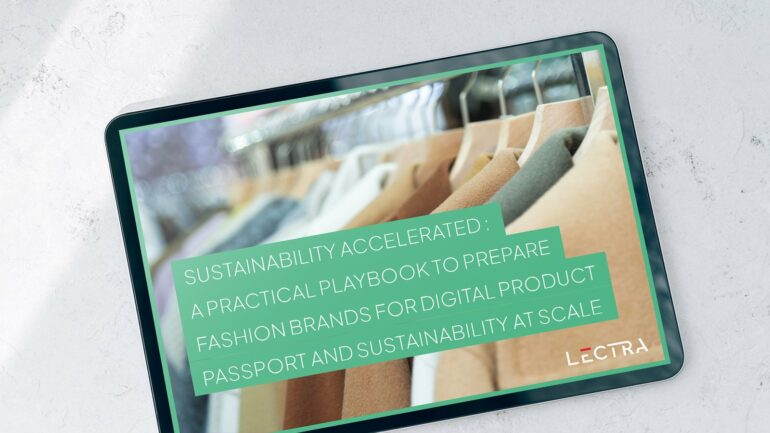
The fashion industry is poised to undergo a structural revolution with the upcoming implementation of the Digital Product Passport (DPP) within the European Union. While the regulatory deadline is causing concern for some players, the most visionary fashion houses already see it as an opportunity to radically transform their value chain. According to the “Sustainability Accelerated” guide published by technology expert Lectra, preparing for the DPP goes beyond mere compliance: it requires a complete overhaul of the management, governance, and sharing of production data.
Escaping the Chaos of Fragmented Data
The industry’s current paradox lies in the abundance of untapped information. Most brands already possess the data needed for their non-financial reporting, but this data is trapped in silos: obsolete PLM systems, disparate supplier portals, Excel spreadsheets, or simple email exchanges. This fragmentation makes it nearly impossible to consistently scale traceability and transparency.
This is where next-generation PLM platforms, such as Kubix Link, come into play. By linking product data to sustainability requirements, these tools centralize information to create a reliable digital foundation—essential for managing regulatory compliance at scale.
The Five-Pillar Roadmap for Sustainable Fashion
To support this transition, a structured strategy is essential. Lectra identifies five key capabilities for building this connected data ecosystem:
First, establishing a single source of truth. This involves centralizing material specifications, supplier certifications, and proof of compliance within a single interface. This foundation then makes it possible to integrate sustainability into the very heart of the design process. By making impact data available as early as the design and sourcing phases, teams can make decisions guided by environmental criteria even before production begins.
The focus then shifts to comprehensive traceability. By combining PLM with solutions such as TextileGenesis, brands can digitize the flow of certified materials and trace them well beyond Tier 1 suppliers. This rigor enables the creation of a structured data framework for DPP, capable of evolving in step with future European requirements. Finally, the project’s success depends on embedding sustainability into day-to-day operations: it must no longer be an isolated task, but an instinctive part of every employee’s workflow.
A cultural transformation endorsed by industry leaders
This transformation is not merely a technological concept; it is already bearing fruit on the ground. At Zumba, the adoption of connected solutions has transformed collaboration with partners. Lina Saldarriaga, Vice President of Design, emphasizes that the involvement of 95% of suppliers on the Kubix Link platform has radically improved visibility into the product lifecycle, ensuring that all stakeholders share the same information in real time.
This vision is shared by Bettina Roth, Head of Quality and Processes at VAUDE, who notes that sustainability cannot be confined to a specific department—it must be everyone’s responsibility in their day-to-day work. By transforming scattered data into a governed ecosystem, fashion brands are no longer merely reacting to constraints; they are gaining operational agility and resilience, establishing themselves as responsible leaders in an increasingly regulated market.